Positive
Relationships
This guide starts with you. Before you can teach your child anything, you have to feel steady yourself.

Every guide in The IEP for Home library has the same simple structure: one big goal and a few small objectives. Work through the objectives one at a time to reach the goal. Each goal helps your child build skills for everyday life.
T H E S T R U C T U R EGOAL VS OBJECTIVE
What is the goal?
For this guide, the goal is to build a positive relationship with yourself, with the other adults in your life, and with your child.
This goal works differently from the others in the library. Sleep has hours you can count. Schedules have times you can write down. A positive relationship has none of that. It is subjective. Nobody can tell you what it should look like in your home, and there is no number that means you have arrived.
What you have instead is a feeling. Your child feels loved, safe, and supported, so they can explore and learn with confidence. You feel loved, safe, and supported, so you can teach with confidence. Both of those matter. Both of them are the goal.
What are the objectives?
There are four objectives, and they run in a deliberate order: yourself first, then the other adults who support you, then your child's other parent, then your child.
That order is the whole point. Every objective in this guide asks you to build something inside yourself or between you and another adult before it asks anything of your child. Work through them slowly. There will be weeks where you have nothing to report, and weeks where everything shifts. Both are normal.
Y O U R R O A D M A PFour objectives. Take some time with them before you move on to any other guide in the library.
THE OBJECTIVES


-
Practice self-care
⦿ Get enough sleep. Eat balanced meals. Get movement into your routine. Manage your screen time.
⦿ Teach yourself these habits first. It will make you a better teacher for your child.
⦿ Don't try to do this quickly, and don't worry about going too slowly.
Start small, go slow
⦿ Add 30 minutes to your sleep each week.
⦿ Plan one home-cooked healthy meal per week. Work your way up to one per day.
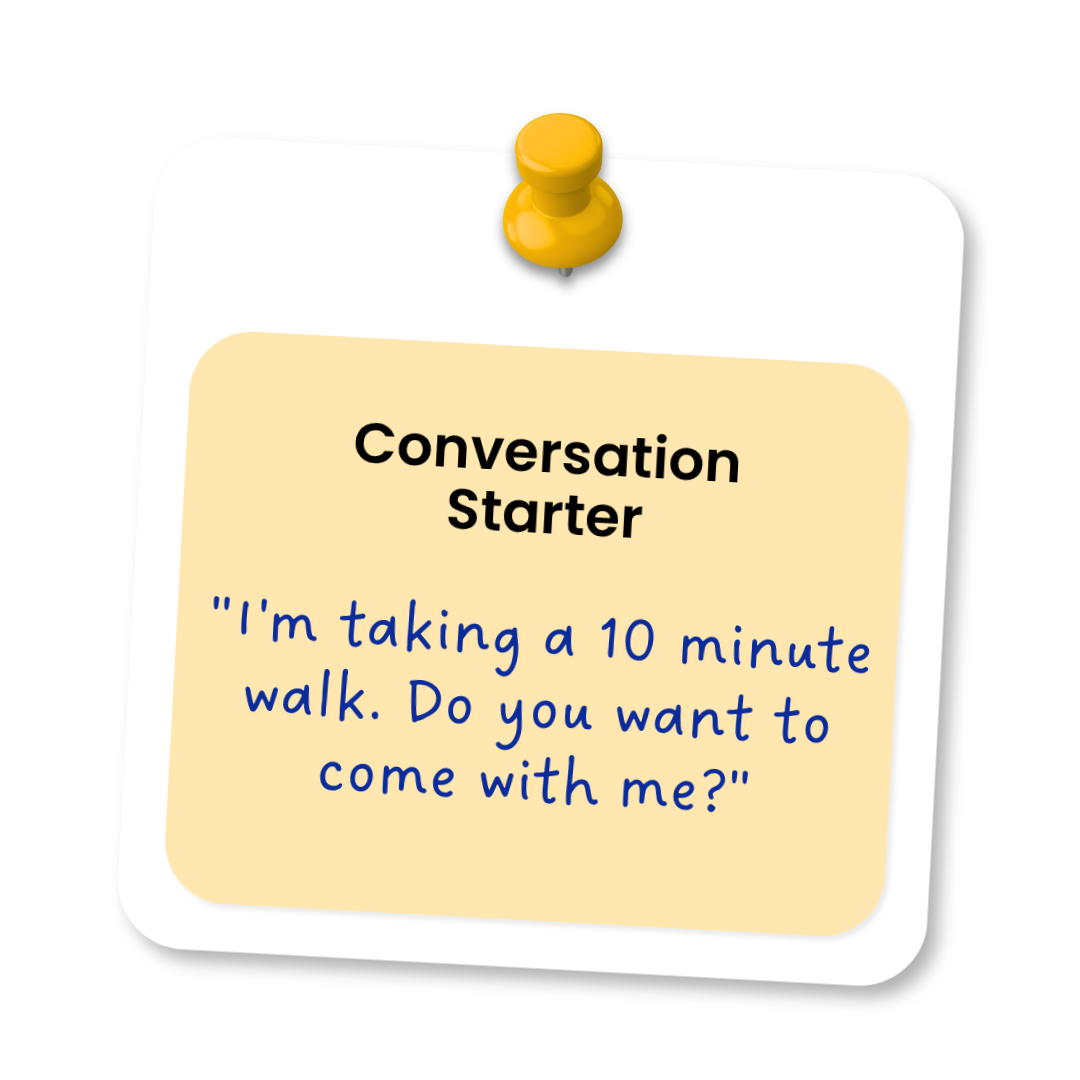
⦿ Start with a ten-minute walk each day.⦿ Combine your own wellness with an activity you already do with your child.
Manage your screen time
⦿ Screen time is stimulating. It distracts you, and it does not relax you.
⦿ Take control of your own screen time before you try to control your child's.
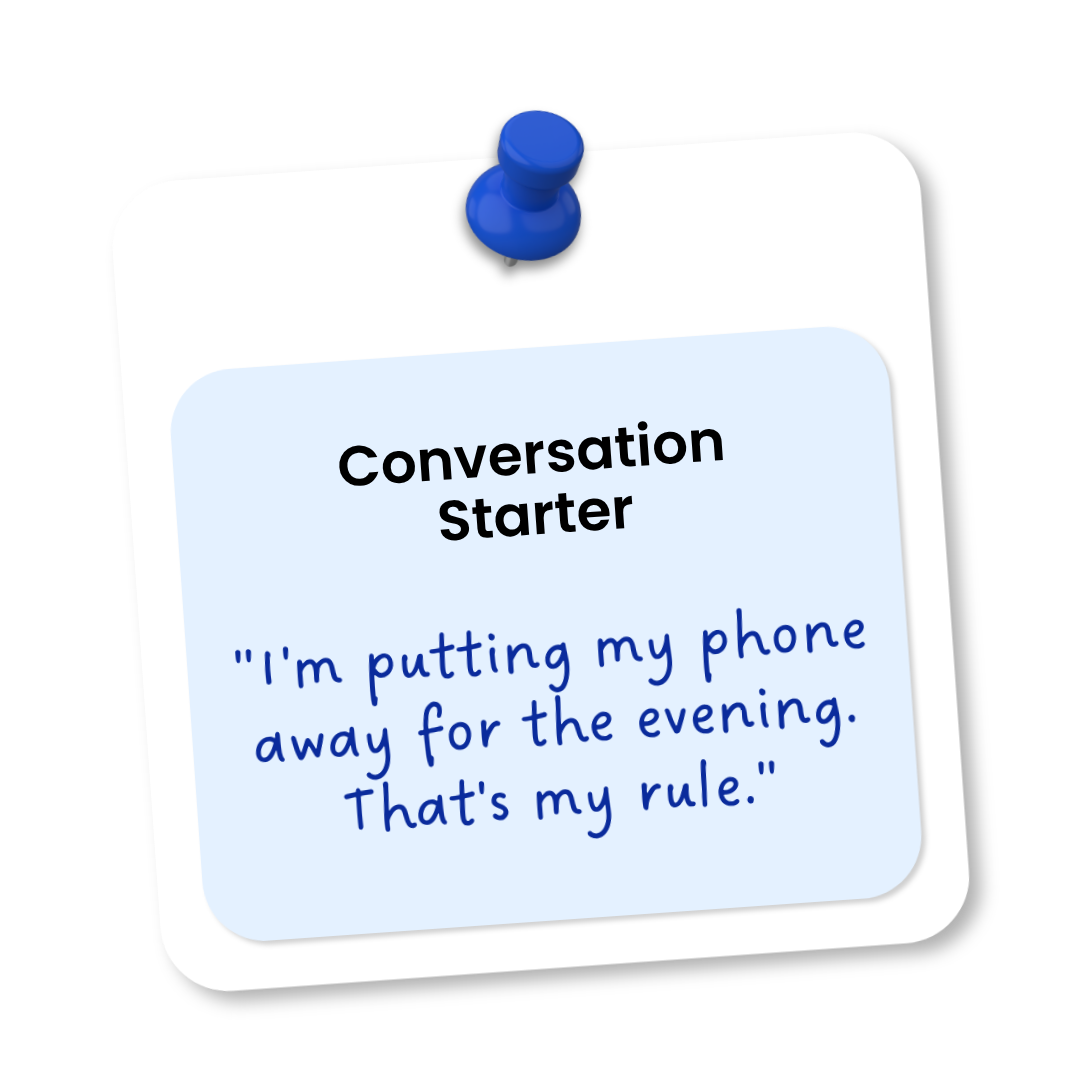
⦿ Pick a rule and schedule it: a full media fast, 30 minutes a day, or 60. No screens before bed.
⦿ Follow your own rule. Then teach your child what you learned.
⦿ Remember that none of this happens overnight. It takes time and patience.
OBJECTIVE #1
Build a Positive Relationship With Yourself
You are your child's first and most constant teacher, and that work runs on your own reserves. This objective asks you to spend time on your own sleep, food, movement, and screen habits before you spend it on anyone else's. Go slowly. A small change that holds is worth more than a big change that collapses inside a week.
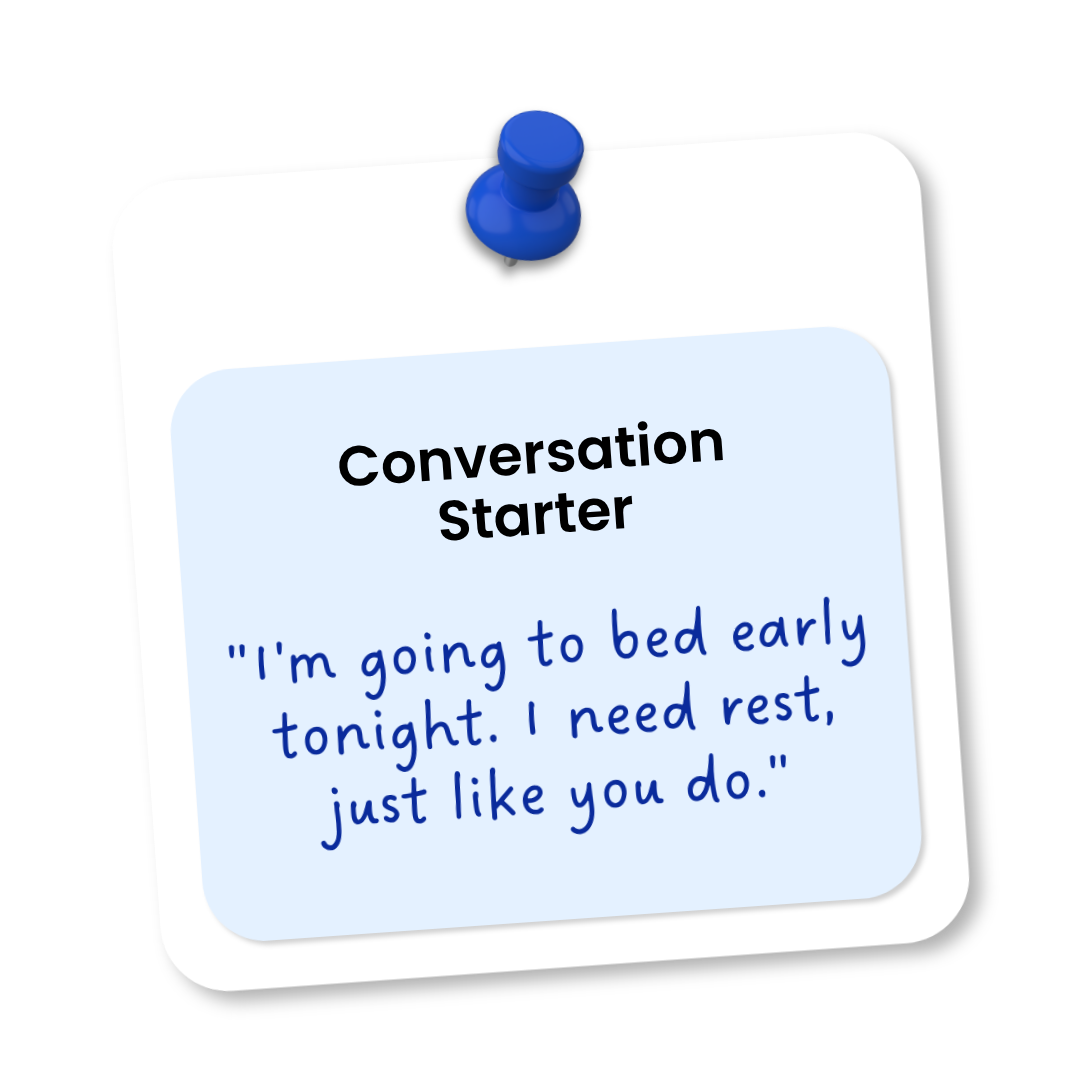
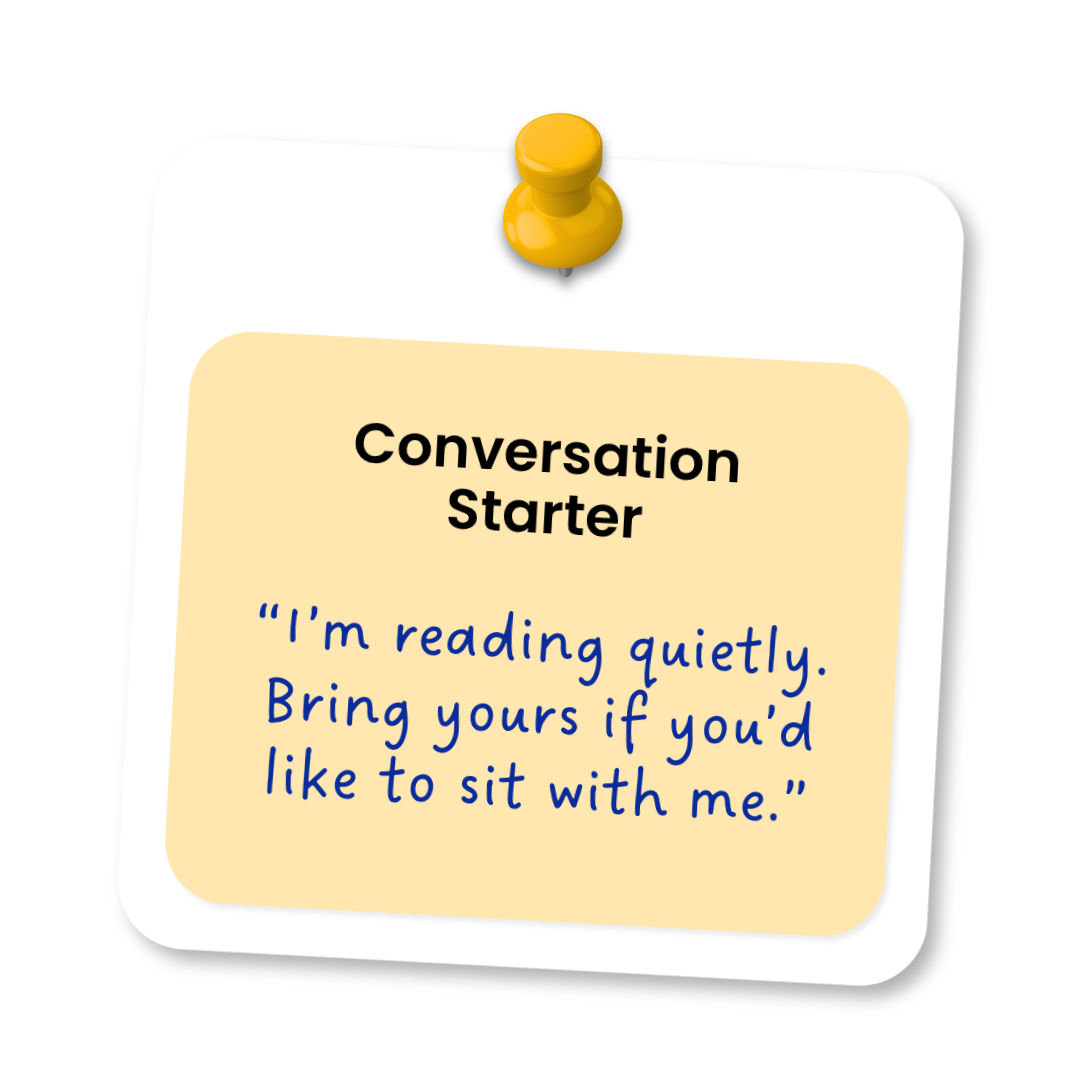
Conversation Starters For You and Your Child

-
⦿ Choose one healthy habit you and your parent can practice together.
⦿ Remind each other kindly when it is time to rest, move, eat, or turn off a screen.
⦿ Tell your parent one thing that helps you feel calm and ready.
-
⦿ Pick one habit for yourself: sleep, food, movement, or screen time.
⦿ Choose one small change you can repeat this week.
⦿ Practice it for one week and notice how you feel.
Erik’s Tip ★
For objective #1

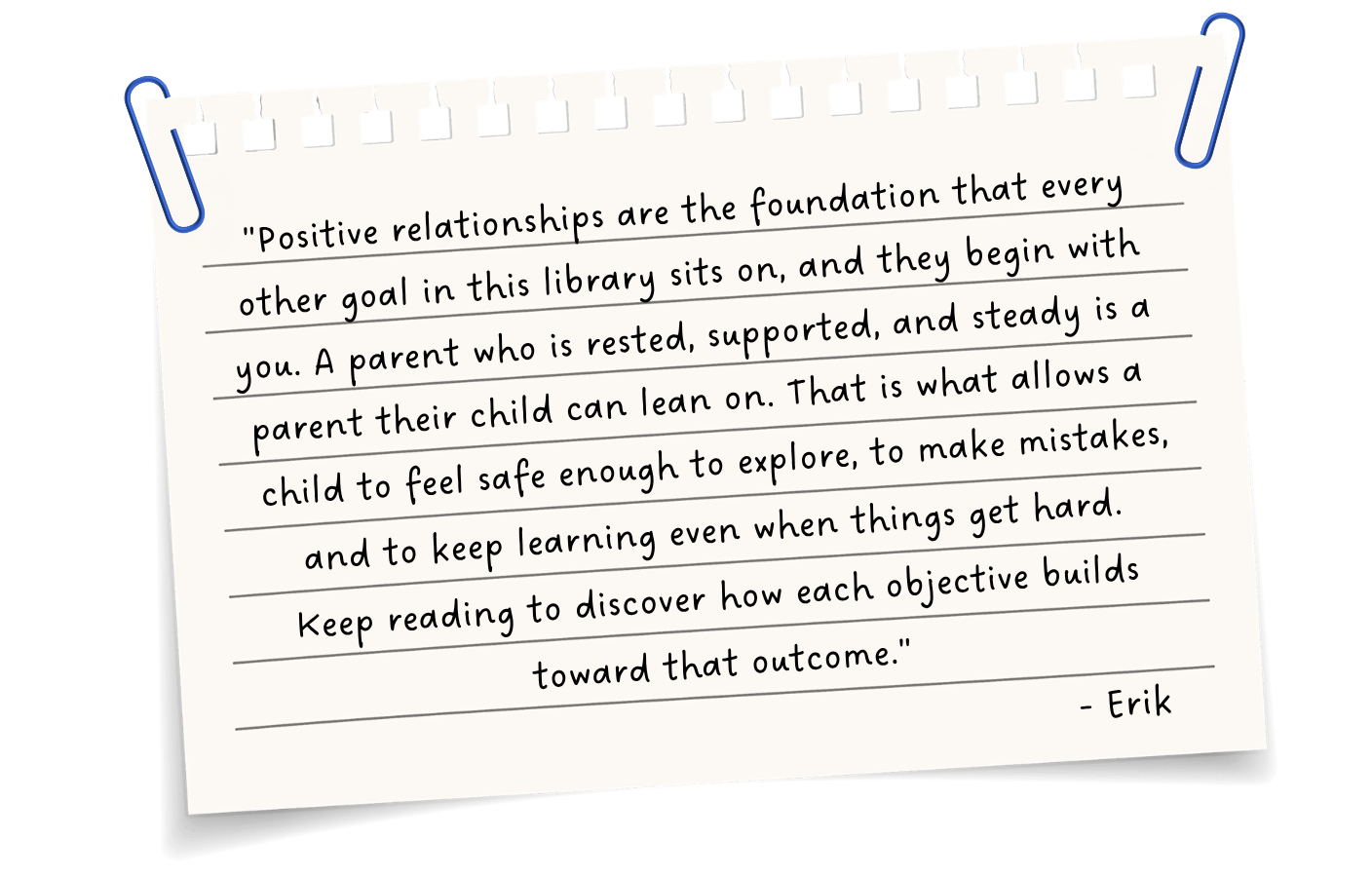
“Pick one, and only one, habit. Yes, just one for now. That could be sleep, food, movement, or screens. What your child notices is steadiness, and steadiness comes from changes small enough that you can actually keep them.” — Erik
-
Building relationships
⦿ Schedule regular time with your partner, a friend, or a family member.
⦿ Start with a monthly catch-up. Don't skimp. Meet regularly with someone who supports you.
Scheduled communication
⦿ Establish a routine: a monthly, weekly, or daily phone call with someone.
⦿ Treat it as your "me time" and protect it the way you would protect any other appointment.
Intentional conversations
⦿ Be intentional about that time. Talk about what is important to you.
⦿ Make sure the person is listening and can be supportive.
Celebrate successes
⦿ Recognise small, daily successes and say them out loud to someone.
⦿ If you are practising your own wellness, make sure your friend knows.
⦿ If you are teaching your child a new skill, make sure your friend knows that too.
⦿ One week you might have very little to share. Next week could be completely different. Keep the appointment either way.
OBJECTIVE #2
Build a Positive Relationship With Other Adults
A parent carrying everything alone eventually runs out. This objective is about having at least one adult outside your home who knows what you are working on and asks you about it. Have regular contact, on a schedule, with somebody who nourishes and supports you.
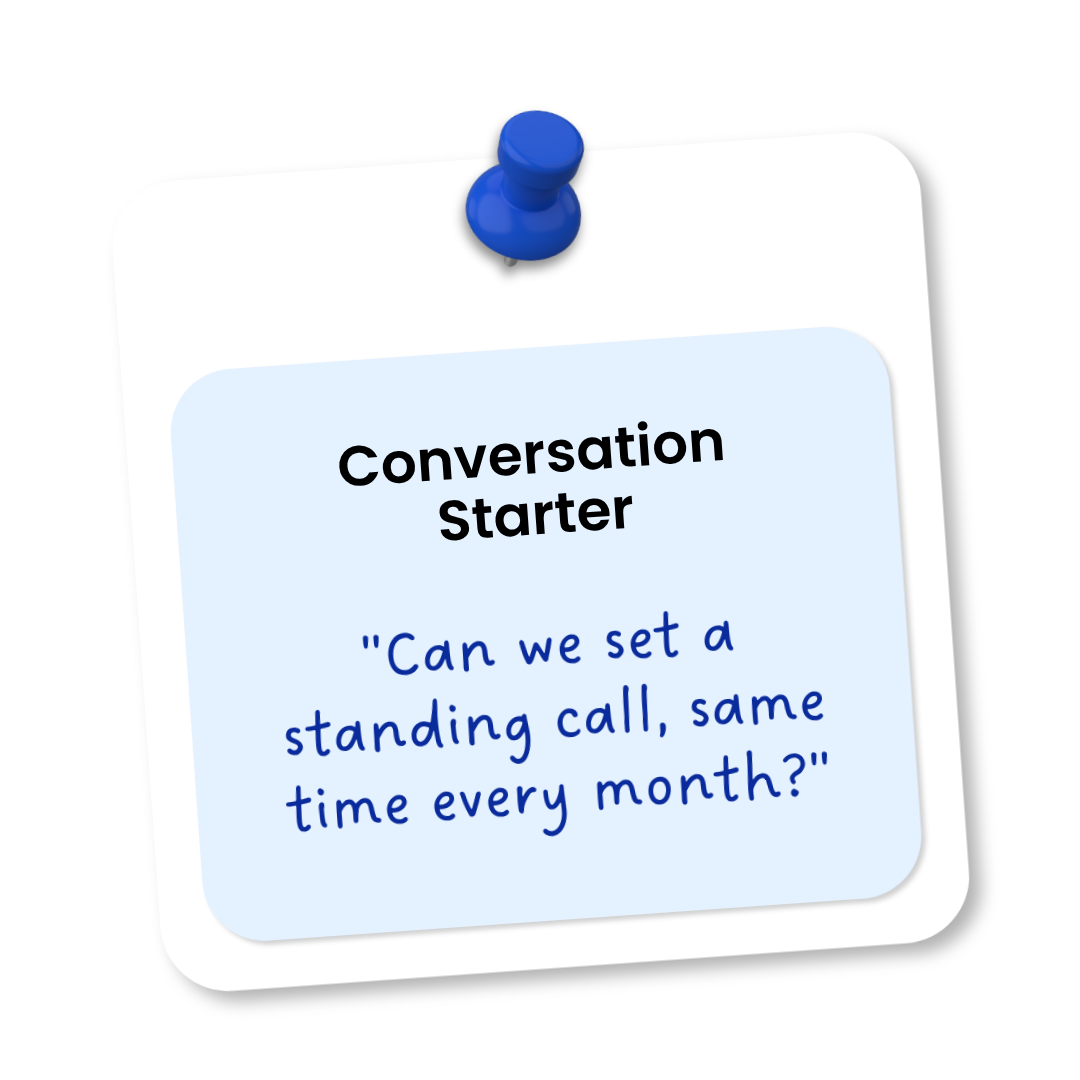
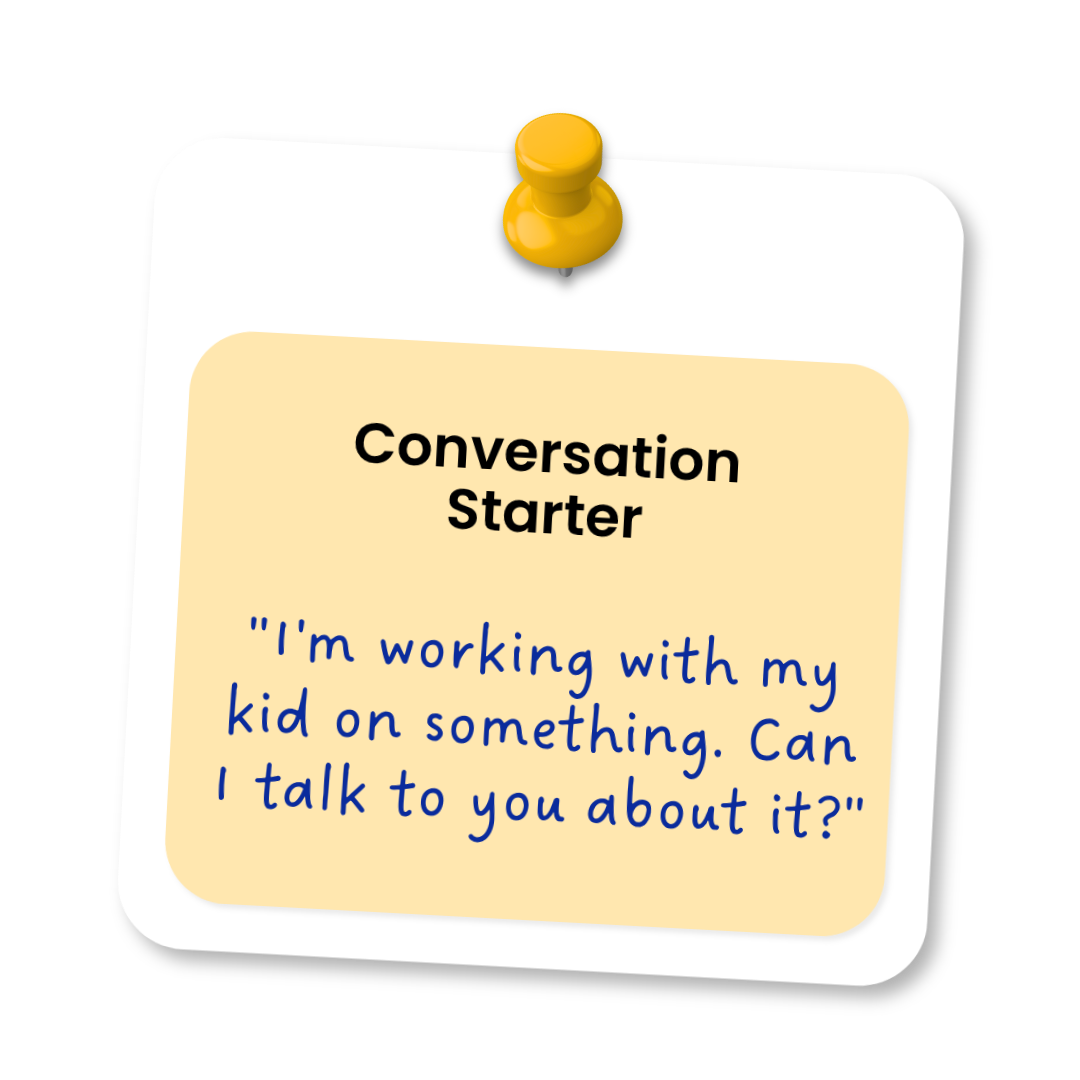
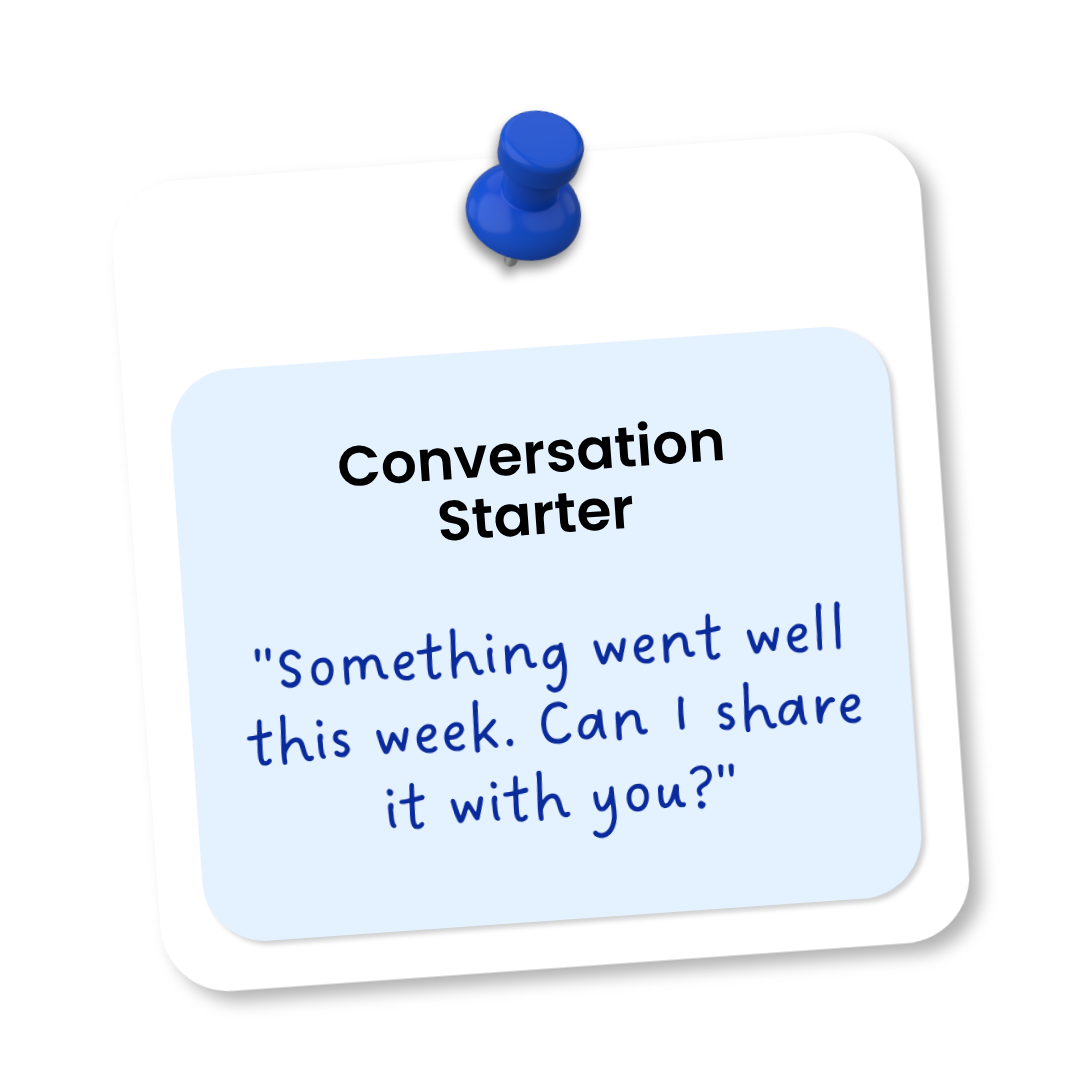
Conversation Starters For You and Your Child
-
⦿ Name one trusted adult who helps your family.
⦿ Practice asking a trusted adult for help when you need it.
⦿ Tell your parent about an adult who makes you feel safe.
-
⦿ Choose one supportive adult outside your home.
⦿ Set a regular time to talk with them.
⦿ Share one success and one hard moment when you talk.
Erik’s Tip ★
For objective #2
"Put it in the calendar with a name and a time attached. A standing appointment survives a hard week. A good intention usually doesn't." — Erik




-
Understand successful partnerships
⦿ A partnership means agreement about goals. Which of the IEP for Home goals do you both want to work on? Which objectives?
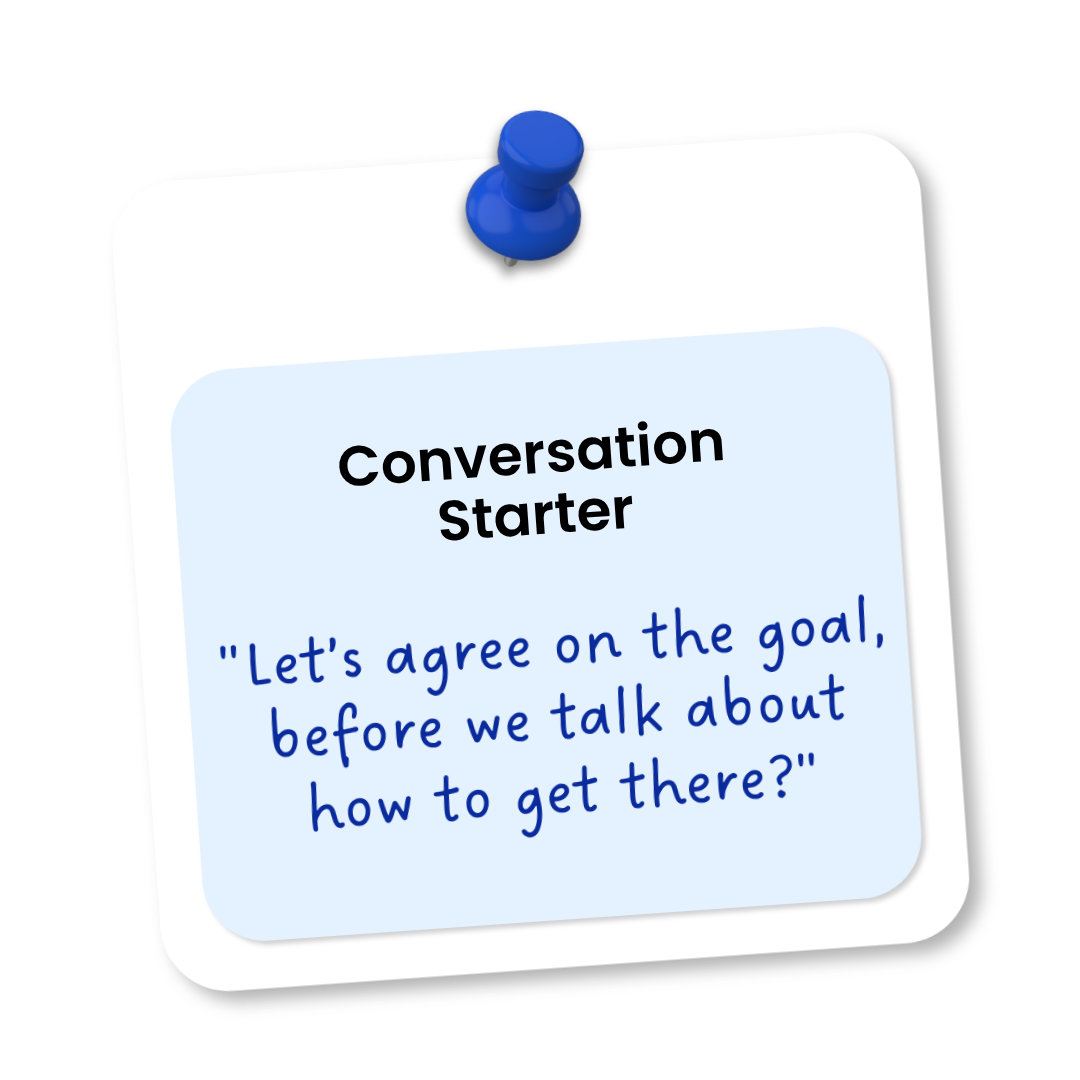
⦿ You will not agree about everything you want to teach your child. You do share the same goal: a healthy, happy child who has a positive relationship with you.
⦿ Figure out the goal you both want, then work on it together. Don't do it alone; it's too hard.
Discuss goals
⦿ Have open discussions about what you both want your child to achieve. Better sleeping? Better eating? Following household rules?
⦿ Each of you can follow a different path. Just make sure your path reaches the shared goal.
⦿ Once you agree, tell your child. Say it out loud, even if your child cannot speak or does not appear to understand what you are saying.
Manage disagreements
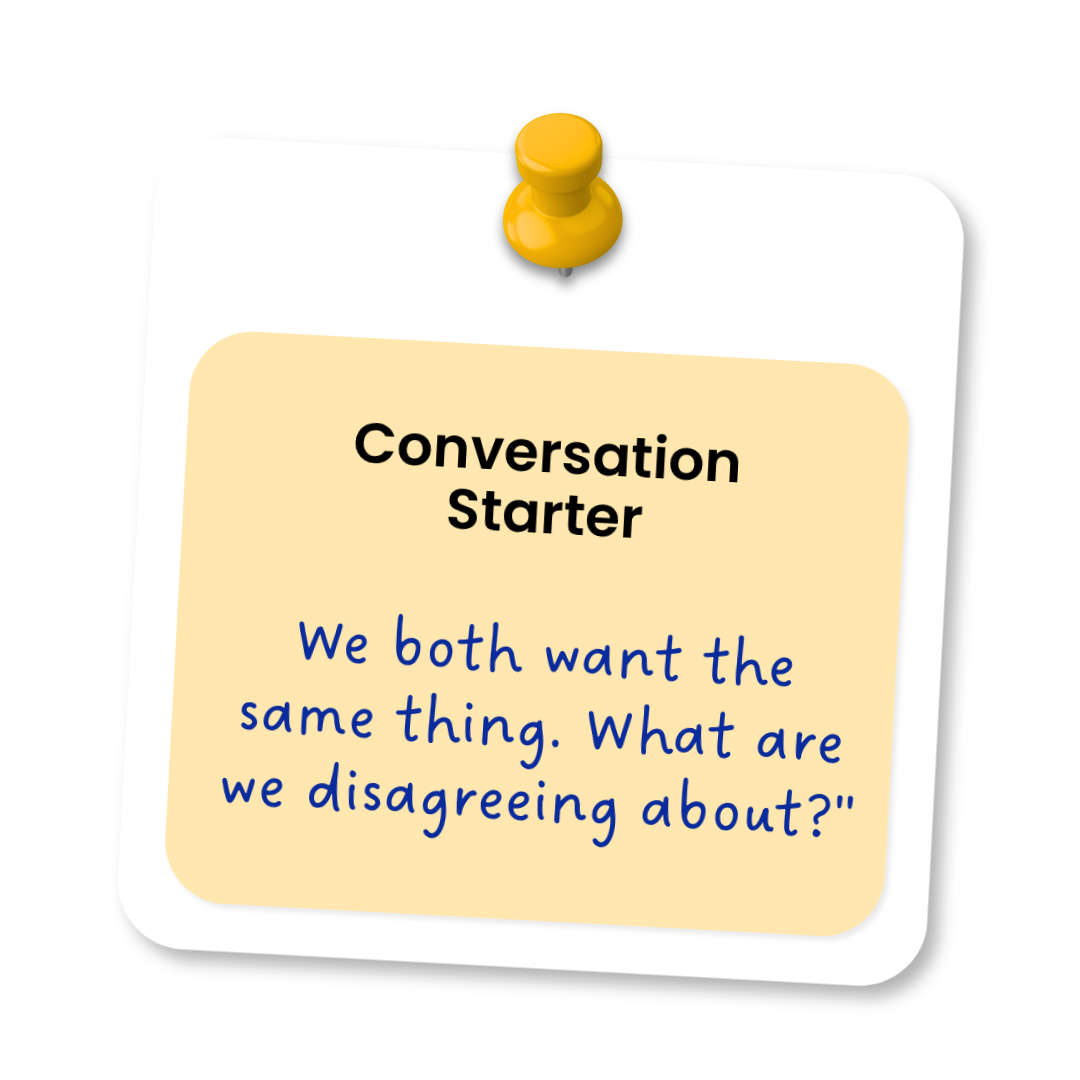
⦿ When you disagree, look at the goals first. You probably already agree on them.
⦿ Then look at the objectives. You probably agree on those too.
⦿ Disagreements are almost always about the path or the strategy, and each parent is allowed their own way of teaching.
Try different strategies
⦿ Different teaching styles are fine. Be clear about the goals and objectives, and let your child know how each of you plans to get there.
⦿ Give a strategy a fair run: at least a few days, or a couple of weeks. Don't give up too soon.
⦿ Be honest with yourself and your partner when a strategy isn't working, and change it.
Focus on successes
⦿ Train your brain to notice what is working. This takes mindful practice, because most of us default to noticing what isn't.
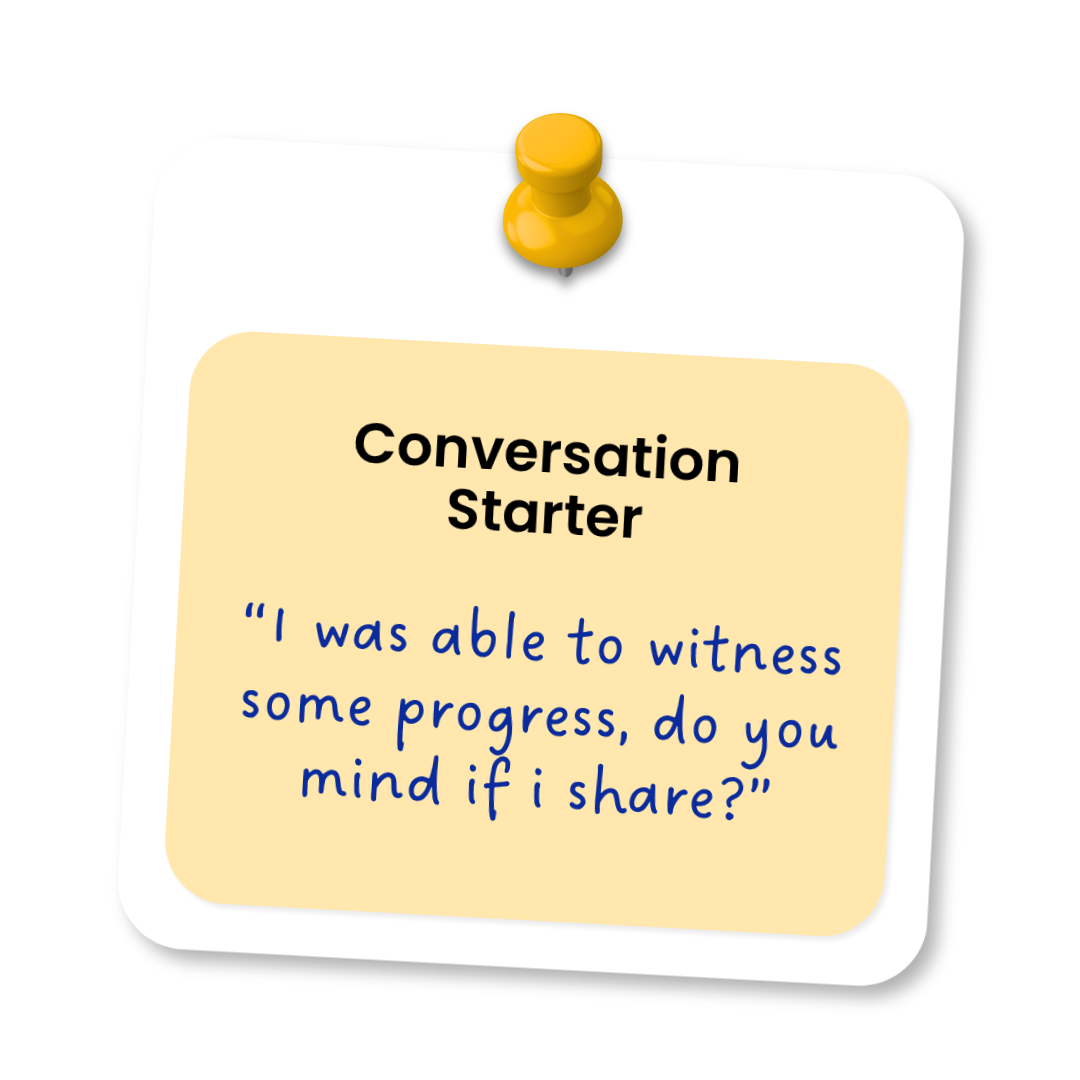
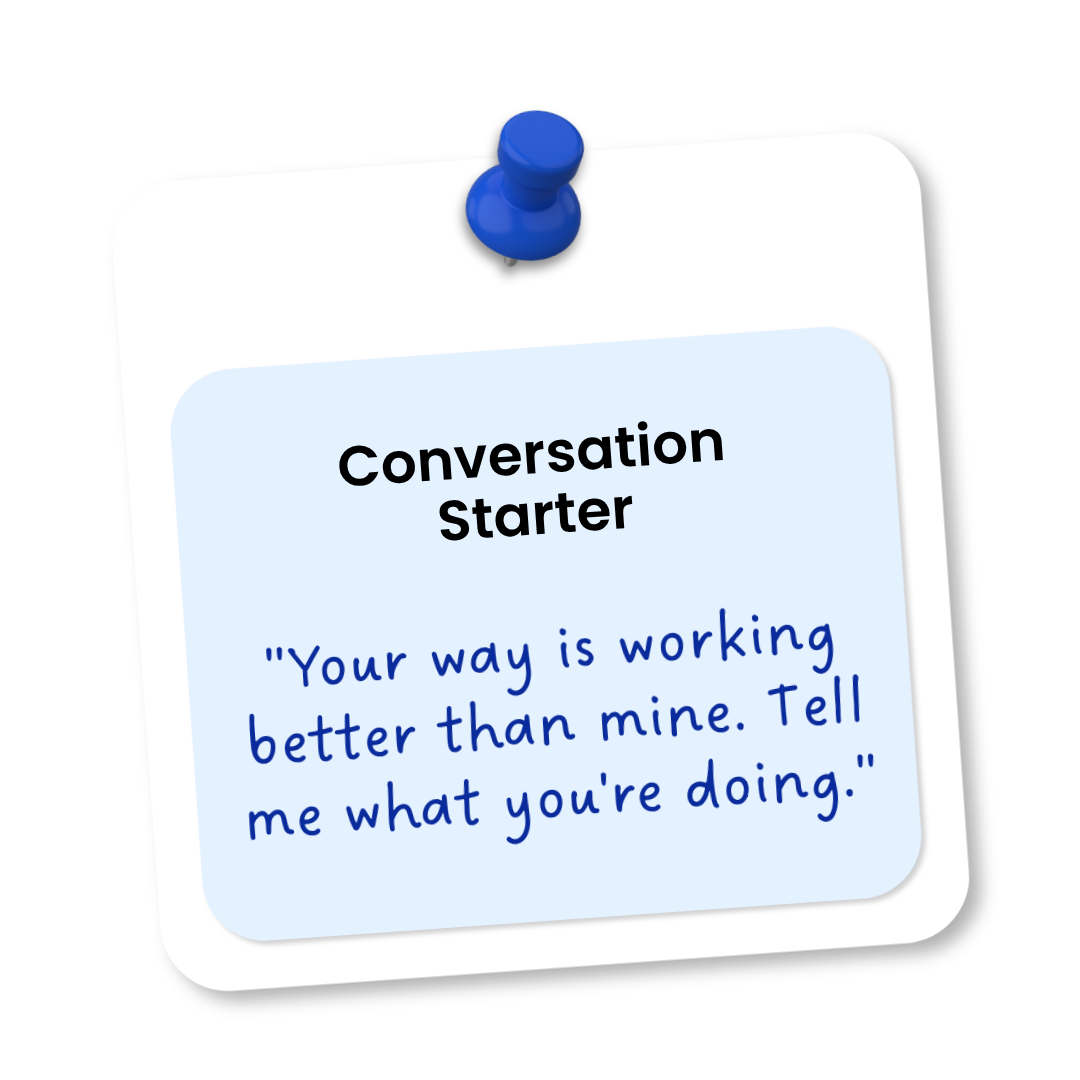
⦿ Notice what works best for your child. Give your partner credit when their approach is working better than yours.
OBJECTIVE #3
Build a Positive Partnership With Your Child's Other Parent
A partnership means having an ally: someone helping you be your child’s best teacher, and working alongside you to teach your child. That ally can be a spouse, a co-parent, a friend, or a family member who sees you often.
Conversation Starters For You and Your Child
-
⦿ Tell the adults who care for you one goal you want help with.
⦿ Practice following the plan you agreed on together.
⦿ Tell them if the plan feels confusing or too hard.
-
⦿ Choose one shared goal for your child.
⦿ Agree on one simple plan to try for a few days.
⦿ Talk about what worked, then keep the plan or change it together.
Erik’s Tip ★
For objective #3
"Most co-parenting arguments are arguments about strategy. Say the shared goal out loud first, and what's left to argue about gets a lot smaller." — Erik
-
Create a list, and engage your child
⦿ Set aside time each day to build a list of fun activities you can do together.
⦿ Ask your child to suggest fun, cost-free activities.
Practice having fun together
⦿ Make it a habit, even on workdays. Start with short activities.
⦿ Ten minutes of connection time each day goes a long way. If daily isn't possible, aim for a few times a week.
Practice noticing
⦿ Spend time observing your child and showing interest in what they are doing. This is connection time.
⦿ Your attention is the best way to be connected with your child. Your presence is noticed, whatever your child's language or play skills.
⦿ You will usually need to turn the screens off to connect, though not always.
Express love, and talk about it
⦿ Express your love and affection, including when your child is not behaving as expected.
⦿ Have regular conversations about the fun things you have done together or plan to do.
⦿ Notice and celebrate when the relationship is going well.
Screen time
⦿ If you need to, use screen time as a starting point for building the relationship, then move toward non-screen activities over time.
⦿ Find other ways to socialise that suit your child's age, developmental stage, and disability. Some children need practice having fun without a screen.
Socialise without talking
⦿ Connection time does not have to be talking time.
⦿ Your child needs to know that you notice them, that you are interested in them, and that you love them. You can do all of that without words.
Manage your frustration
⦿ Frustration in relationships is normal, and a positive relationship can withstand it.
⦿ Take a time-out when you are feeling too frustrated. You need to feel positive and energised during connection time.
⦿ Work on your own needs first, then come back to building the relationship.
OBJECTIVE #4
Build a Positive Relationship With Your Child
This objective is about connection time: your attention, given to your child on purpose, on a regular basis. Ten minutes a day does more for the relationship than any correction you will make that week. It does not require talking, and it does not require your child to be behaving as expected.
Conversation Starters For You and Your Child
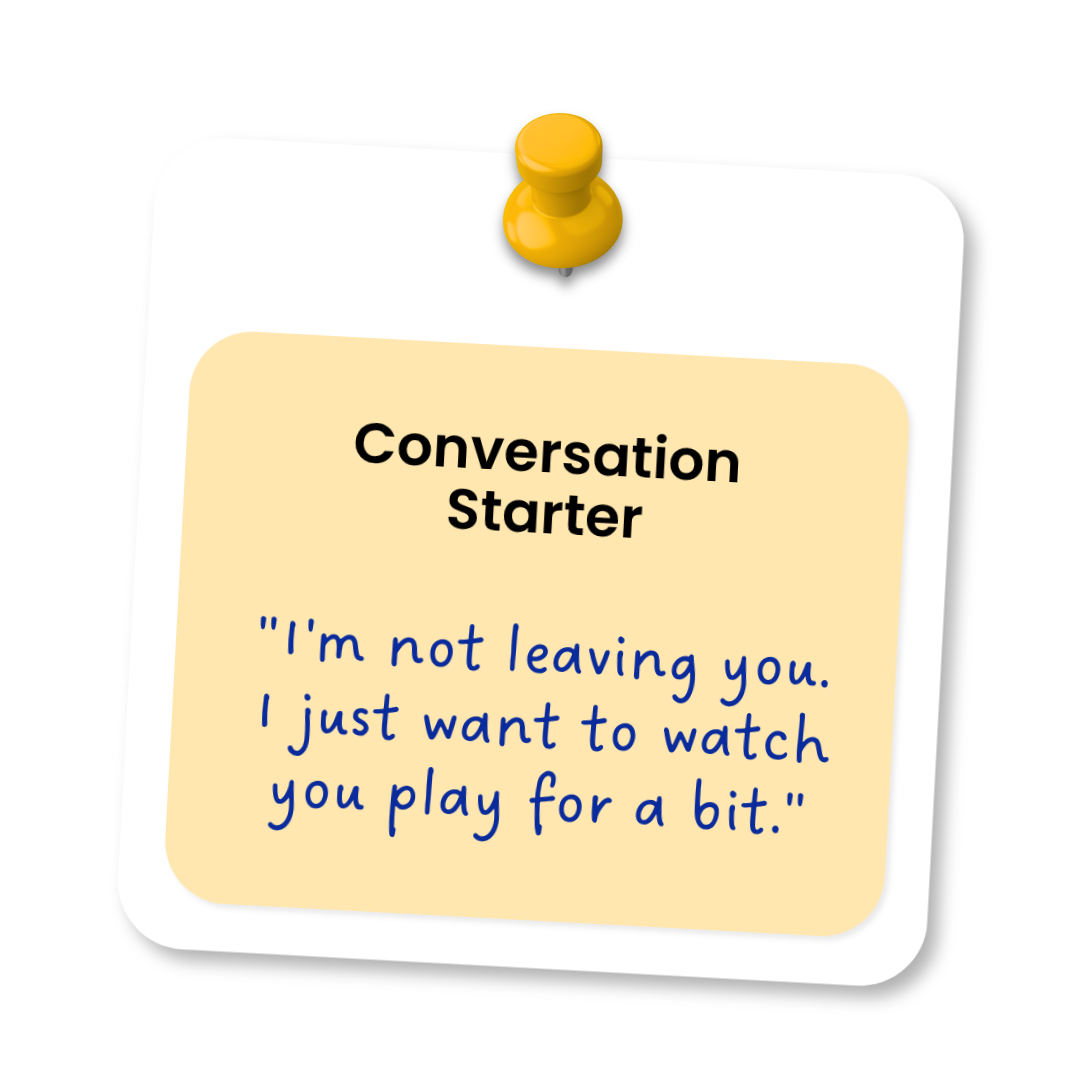
-
⦿ Choose one activity you would enjoy doing with your parent.
⦿ Spend ten minutes together with screens off.
⦿ Tell your parent what you enjoyed about the time together.
-
⦿ Schedule ten minutes of connection time with your child.
⦿ Let your child choose or lead the activity.
⦿ Notice and say one positive thing about your time together.
Erik’s Tip ★
For objective #4
"Ten minutes a day with the screens off will do more than one hour on a Saturday. And if you are too frustrated to enjoy it, go back to Objective #1 first and come back tomorrow." — Erik


Talk to an Expert
These suggestions work for most children. But every child is unique. Some tips may not fit your son or daughter. Talk with your child's physician first. A physician knows your child's needs best. Trust their professional guidance over anything general.
If things get hard, reach out for support. You do not have to do this alone. Help is always within reach.