Schedules
If mornings feel like a battle, you're not alone. A simple schedule can change everything.
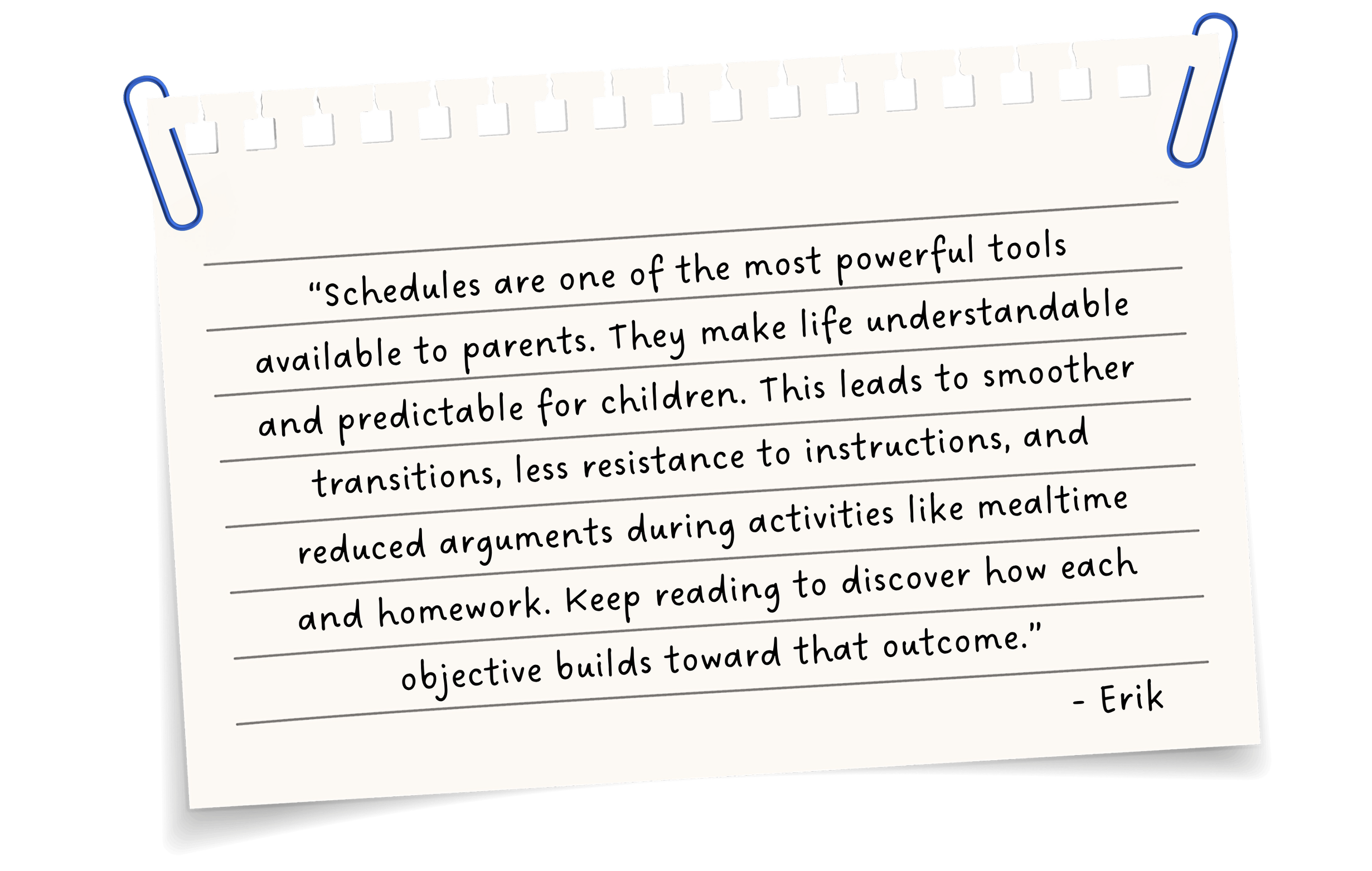

Every guide in The IEP for Home library has the same simple structure: one big goal and a few small objectives. Work through the objectives one at a time to reach the goal. Each goal helps your child build skills for everyday life.
T H E S T R U C T U R EGOAL VS OBJECTIVE
What is the goal?
For this Parent Guide, the goal is to have a daily schedule that helps your child feel safe, calm, and ready to learn. The schedule is mostly intended for school days, but you can create a schedule for weekend days and holidays as well.
What are the objectives?
For this Parent Guide, there are seven objectives. The first two should already be in place:
Sleeping and eating. Make sure the sleeping and eating schedules are in place—review those Parent Guides if you have not done so already.
Once your child is sleeping and eating on a schedule, set up a schedule of privileges (yup! Privileges go on the schedule first). After that, set up the schedule for routines and chores.
Finally, the last three: follow the schedule independently, learn about flexibility, and add extracurricular activities.
Y O U R R O A D M A PSeven objectives. Each one helps you build and use a daily schedule. Work through them in order and the goal takes care of itself.
THE OBJECTIVES


-
⦿ Pick a wake-up time for your child. if you know how many hours of sleep your child needs, you can pick a bedtime too.
⦿ Use the same times every day. Weekends too, as much as you can.
⦿ Create a short wind-down routine before bed. For example: bath, book, lights out.⦿ See Parent Guide #2 (Sleeping) for more suggestions.
Did You Know?
When your child sleeps at the same time every day, they feel better and learn better. Read the Parent Guide for Sleeping to learn more.
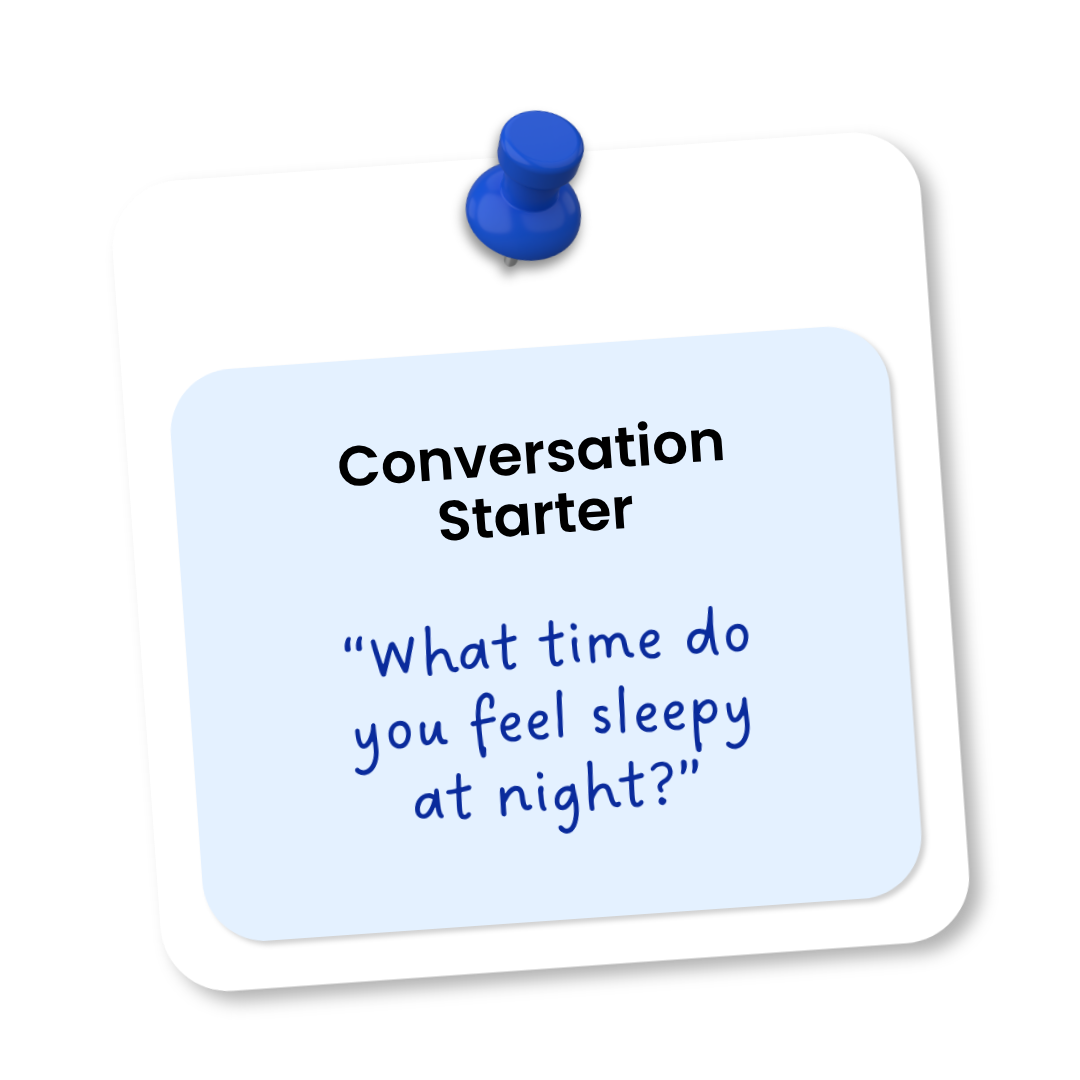
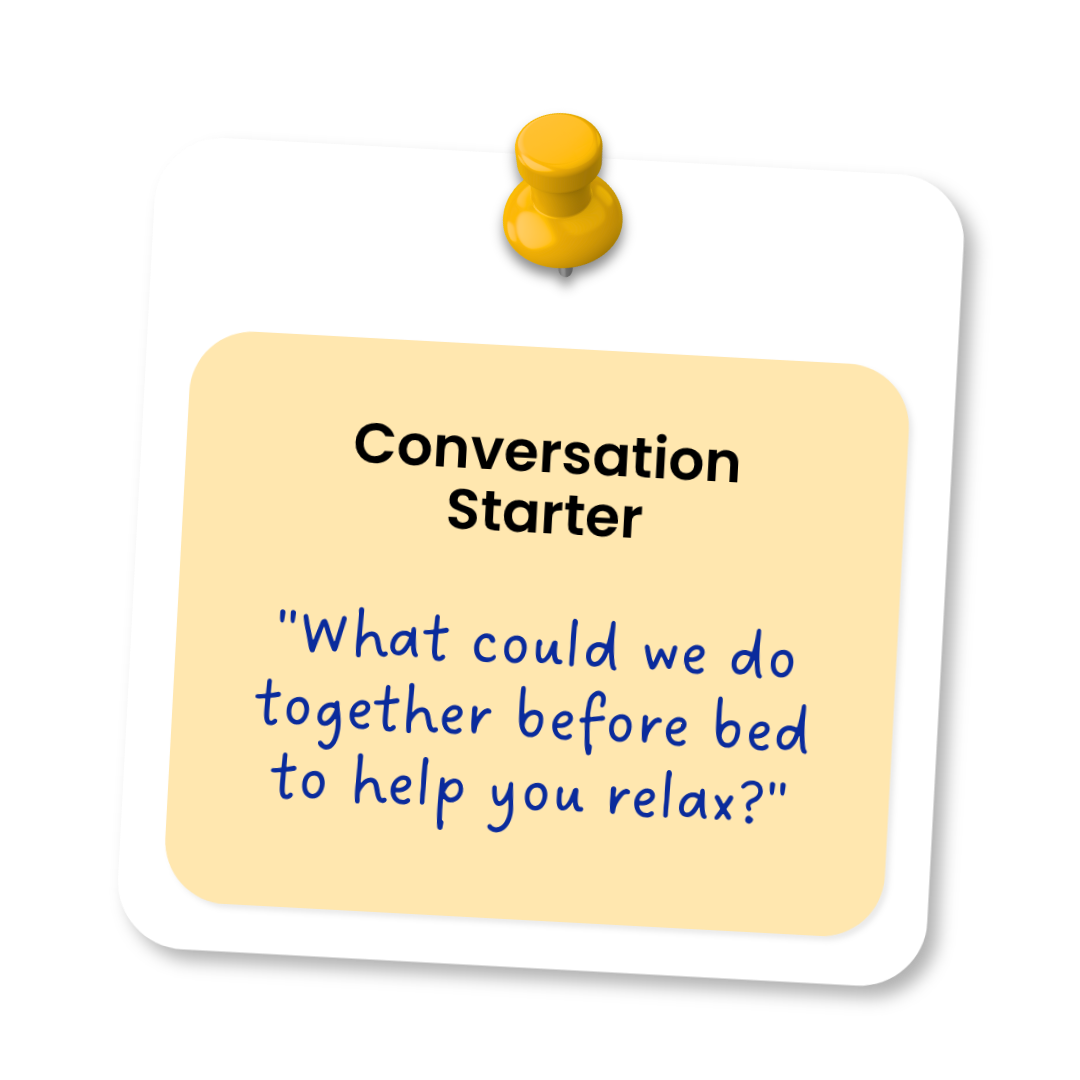
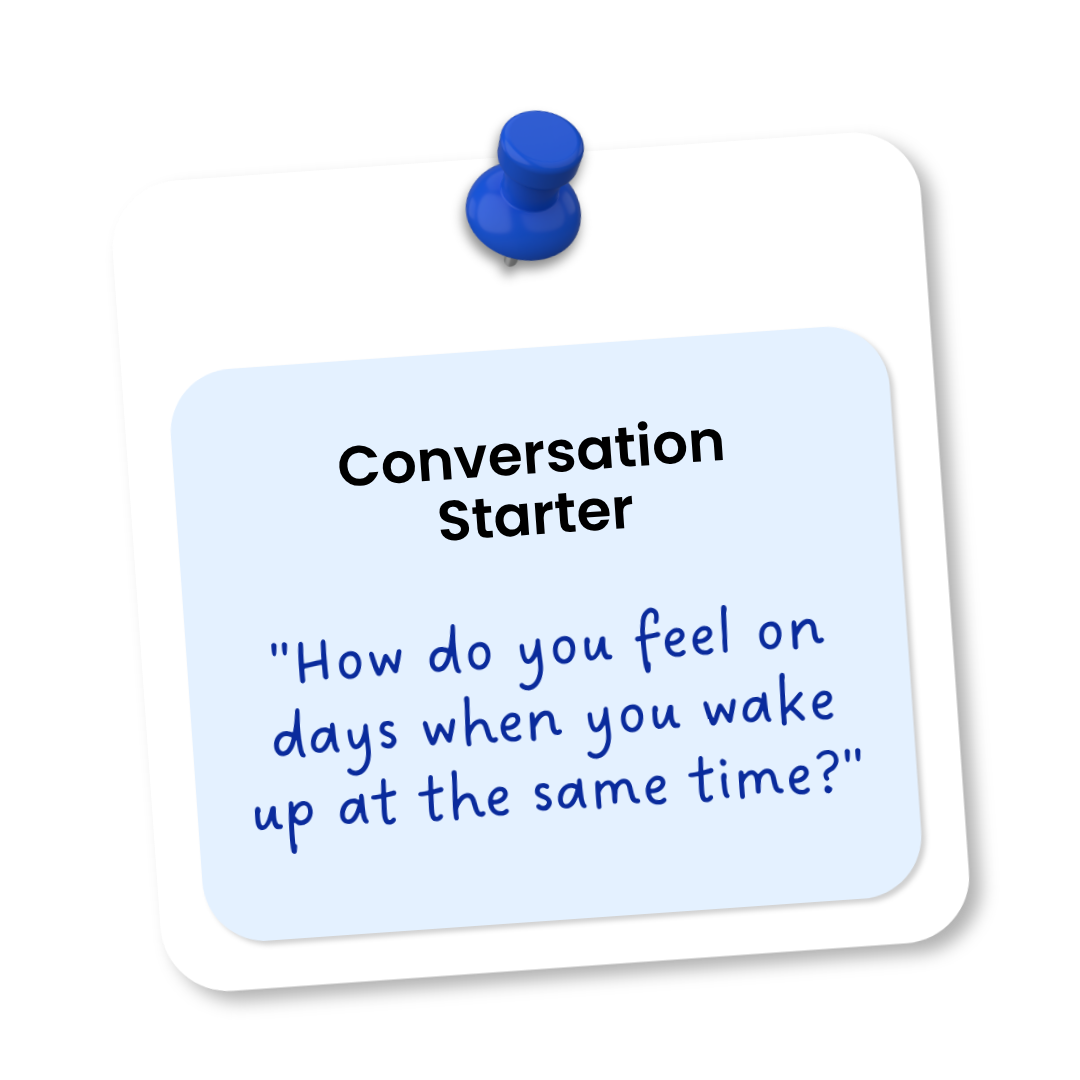
Conversation Starters For You and Your Child
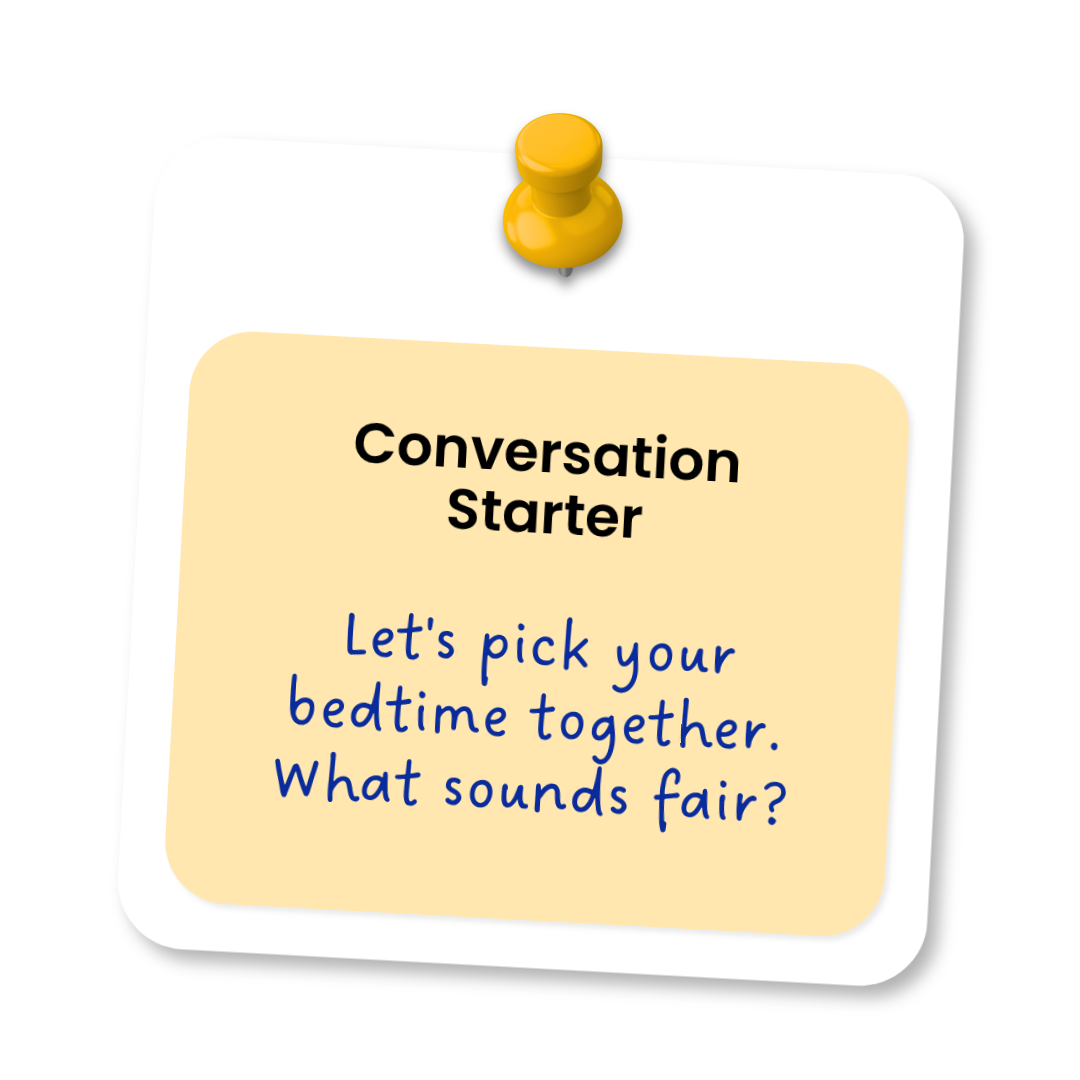

OBJECTIVE #1
Schedule Sleeping Times
Start with the Sleeping Parent Guide. Set a regular wake-up time and bedtime before you build the rest of the daily schedule. When sleep is steady, meals, routines, and chores are easier to schedule.
Erik’s Tip ★
For objective #1

Before anything else, set a wake-up time and stick to it. It will be easier to figure out the bedtime if you focus on the wake-up time first. Consistent sleeping from one night to the next is the single most powerful change a family can make. When sleep is solid, everything else follows. The meals, the routines, the hard moments. They all get easier. — Erik
-
⦿ Get up at the same time each morning.
⦿ Start your bedtime routine at the same time each night. ⦿ Check the schedule to see when bedtime begins.
-
⦿ Choose a wake-up time and keep it the same each day.
⦿ Add bedtime and wake-up time to the family schedule.
⦿ Use the Sleeping Guide if you need help choosing the times.


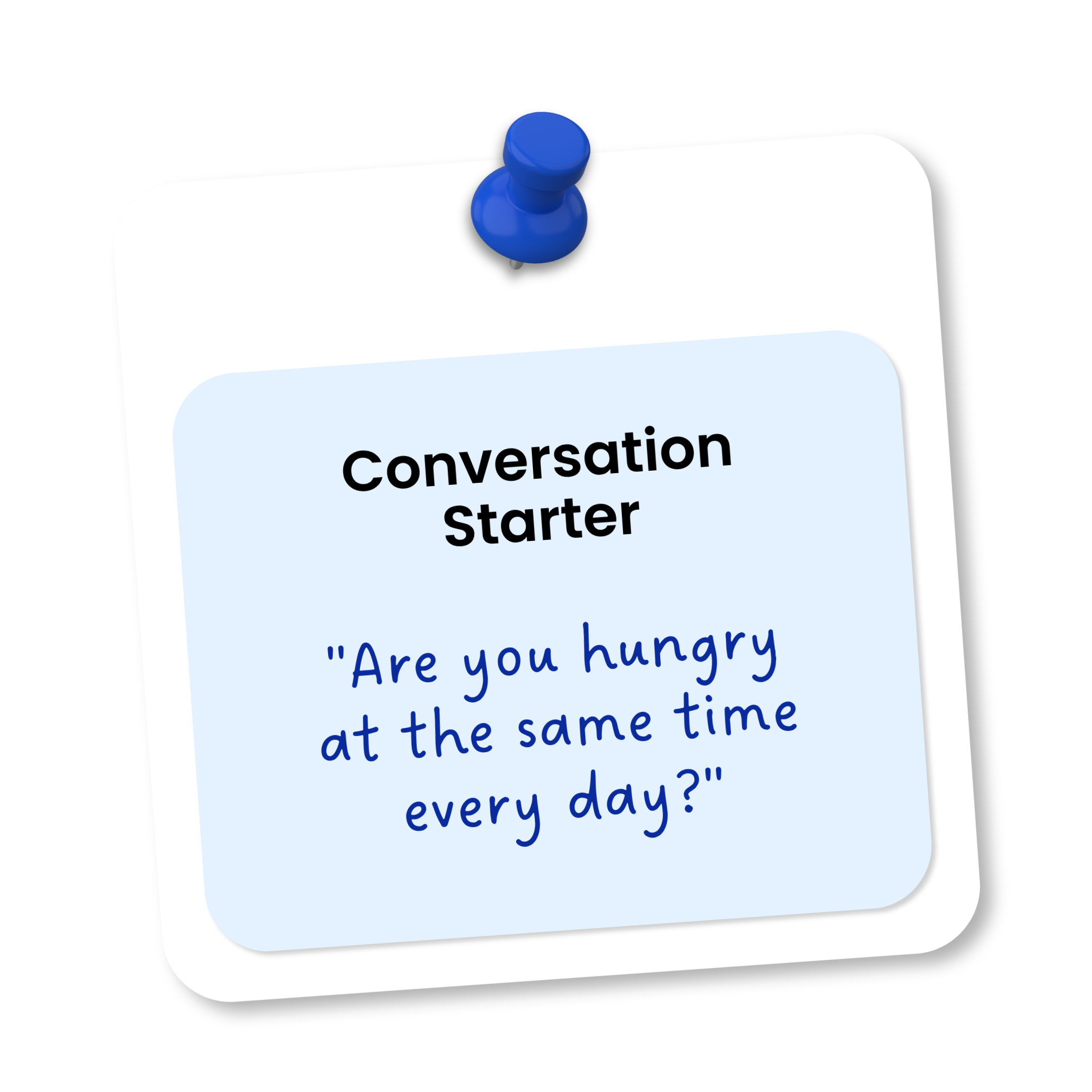
-
⦿ Choose a set time for breakfast, lunch, dinner, and any snacks.
⦿ Eat together as a family whenever possible; it makes meals feel like a safe routine. It’s a great way to connect with your child.
⦿ Avoid letting your child eat at random times. Snacking during the day means that your child will not be hungry at meal time. If they eat too many snacks, they won’t sit as long for meals, or eat nutritious food.⦿See Parent Guide #3 (Eating) for more suggestions.
Did You Know?
Regular mealtimes help the body release hormones on schedule, keeping your child steady and focused.
Conversation Starters For You and Your Child
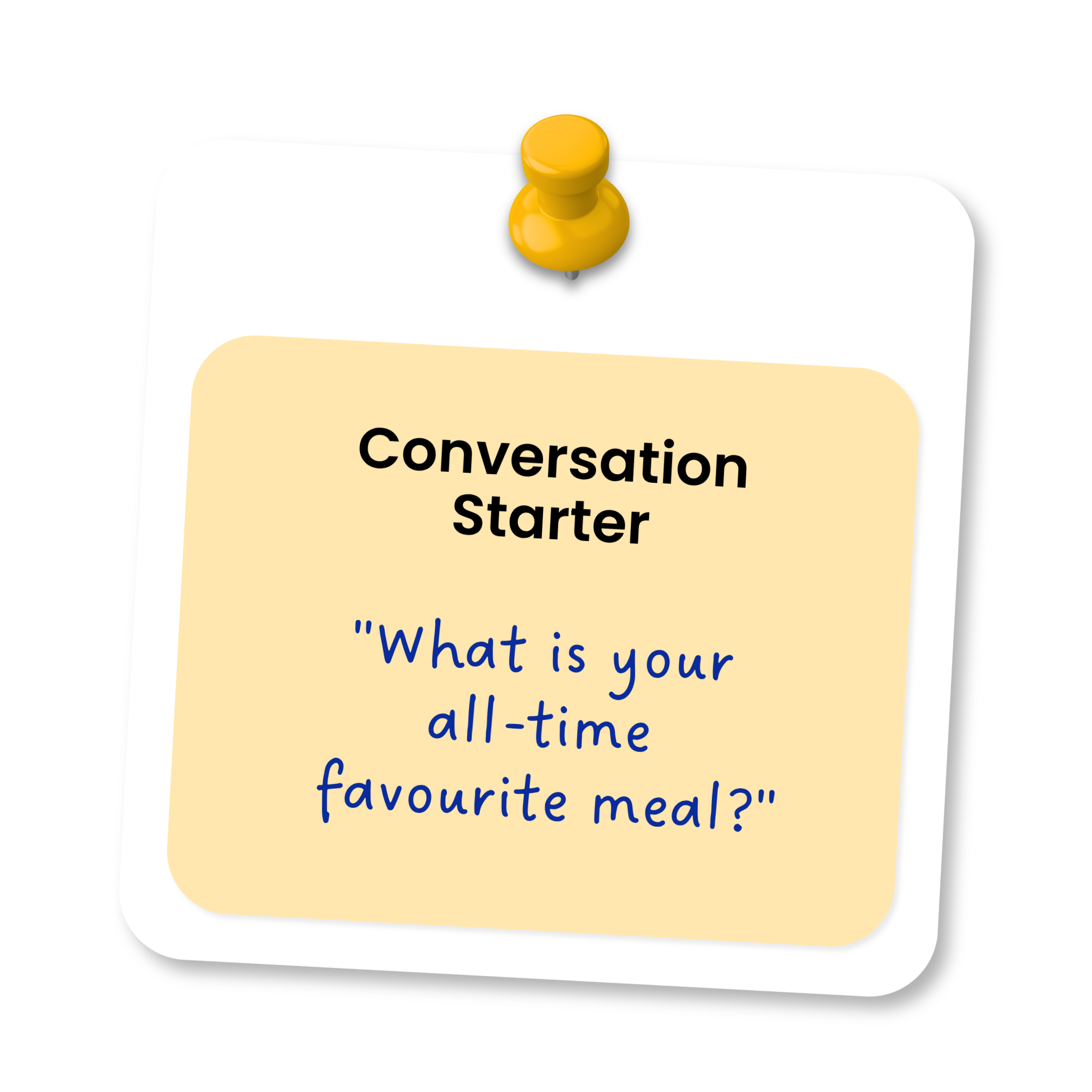
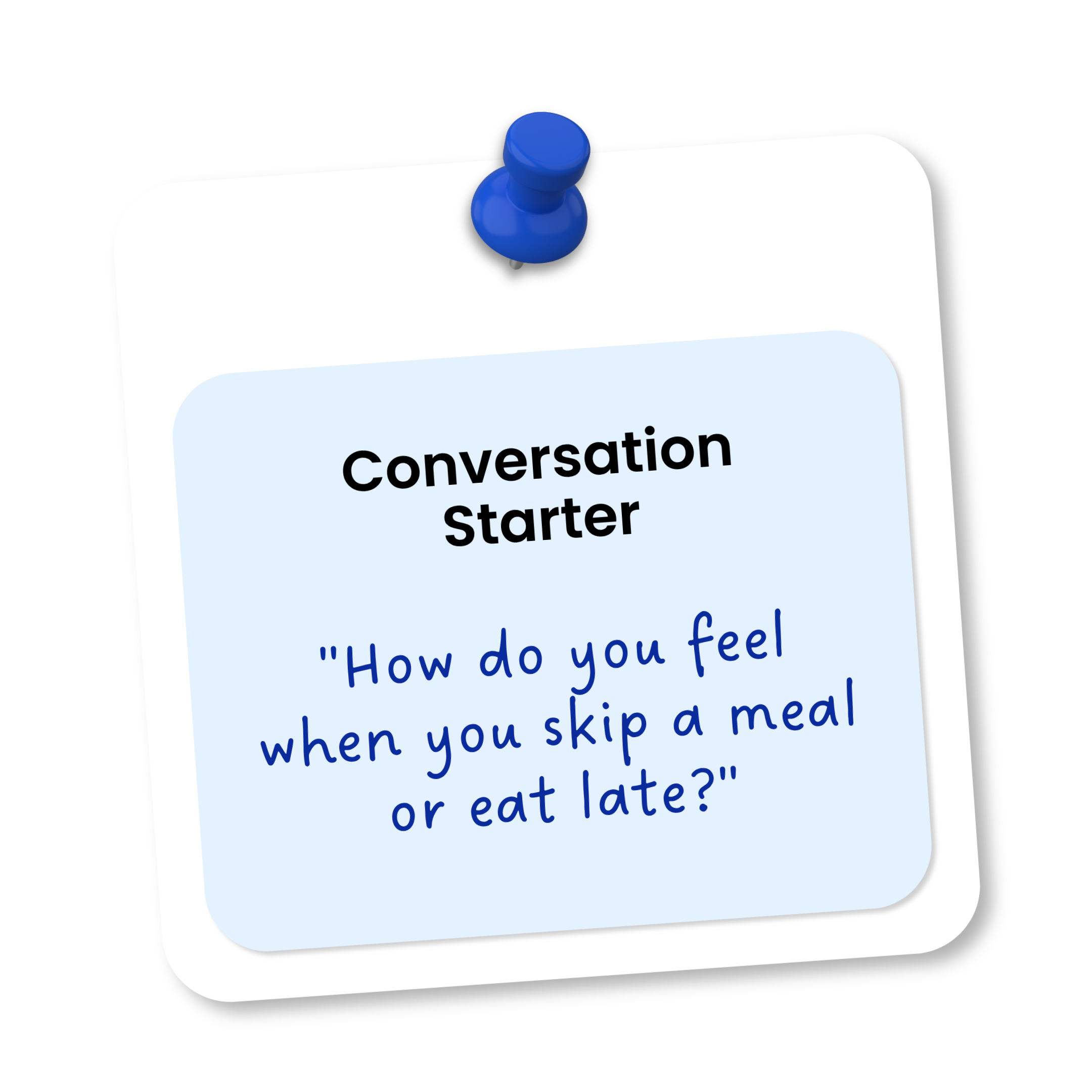
OBJECTIVE #2
Schedule Eating Times
Next, use the Eating Parent Guide. Set regular times for meals and snacks. When eating times are steady, it is easier to add the other parts of the daily schedule.
Stop the grazing! Keep meals and snacks at predictable times. Usually, one snack per day is enough.
-
⦿ Sit down for meals at the scheduled time.
⦿ Try not to skip meals or ask for food outside mealtimes. If you want, you can schedule one or two small snacks.
⦿ Help set the table as part of the mealtime routine.
-
⦿ Write meal times on the family schedule.
⦿ Read the Eating Guide for detailed guidance.
⦿ Try to eat together as a family at least once a day.
Erik’s Tip ★
For objective #2
When kids eat at the same time each day, their bodies know exactly when to expect food. It becomes a time to sit, reflect, and connect. That one small change leads to fewer meltdowns, better focus, and a calmer home overall. It really is that simple. — Erik

-
⦿ List the fun activities your child loves — toys, games, TV, outings, special treats.
⦿ Decide when fun time starts and how long it lasts. Put the timing on the schedule.
⦿ Schedule carefully. Fun time comes after routines and tasks are finished. Example: First homework, then play.
⦿ Limit entertainment screen time to less than 2 hours per day. Learning apps and video calls do not count toward this limit.
⦿ Schedule big treats (cinema, pizza night, a new toy) once a week or less.
Did You Know?
Children can still get some free play even if tasks are not fully done. Play is important for growth. Make sure your child has some play time every day.
Types of Play
Time to play alone
Time with other children
Games & activities together
Privileges with a clear time limit
Conversation Starters For You and Your Child
OBJECTIVE #3
Schedule Fun Time & Privileges
Plan for fun time every day. When your child first learns about the schedule, they need to know what’s in it for them. Schedule screen time, play time, and even privileges such as family pizza night. Knowing that something fun and recreational is coming helps children get through hard tasks with less fuss.
-
⦿ Finish your tasks before asking for play time.
⦿ Check the clock to see when fun time starts and ends.
⦿ Choose one big treat to look forward to each week.
-
⦿ Write in the fun times on the schedule so your child can see them...
⦿ Want to control screen time? Start reducing screen time gradually...
⦿ Surprise your child with a bonus privilege once they have mastered the routine.
Erik’s Tip ★
For objective #3
Once your child has the routine down, add a small surprise every now and then. An extra treat, a spontaneous outing, or a fun change to the usual plan keeps things exciting and gives your child something to look forward to. — Erik

-
⦿ Morning routine: toileting, washing, dressing, tidying personal belongings.
⦿ Evening routine: homework, clean-up after dinner, preparing for the next day.
⦿ Some chores happen every day (homework, tidying up). Others happen once a week (cleaning the bedroom).⦿ Use a simple calendar or visual chart so your child can see when each task is due.
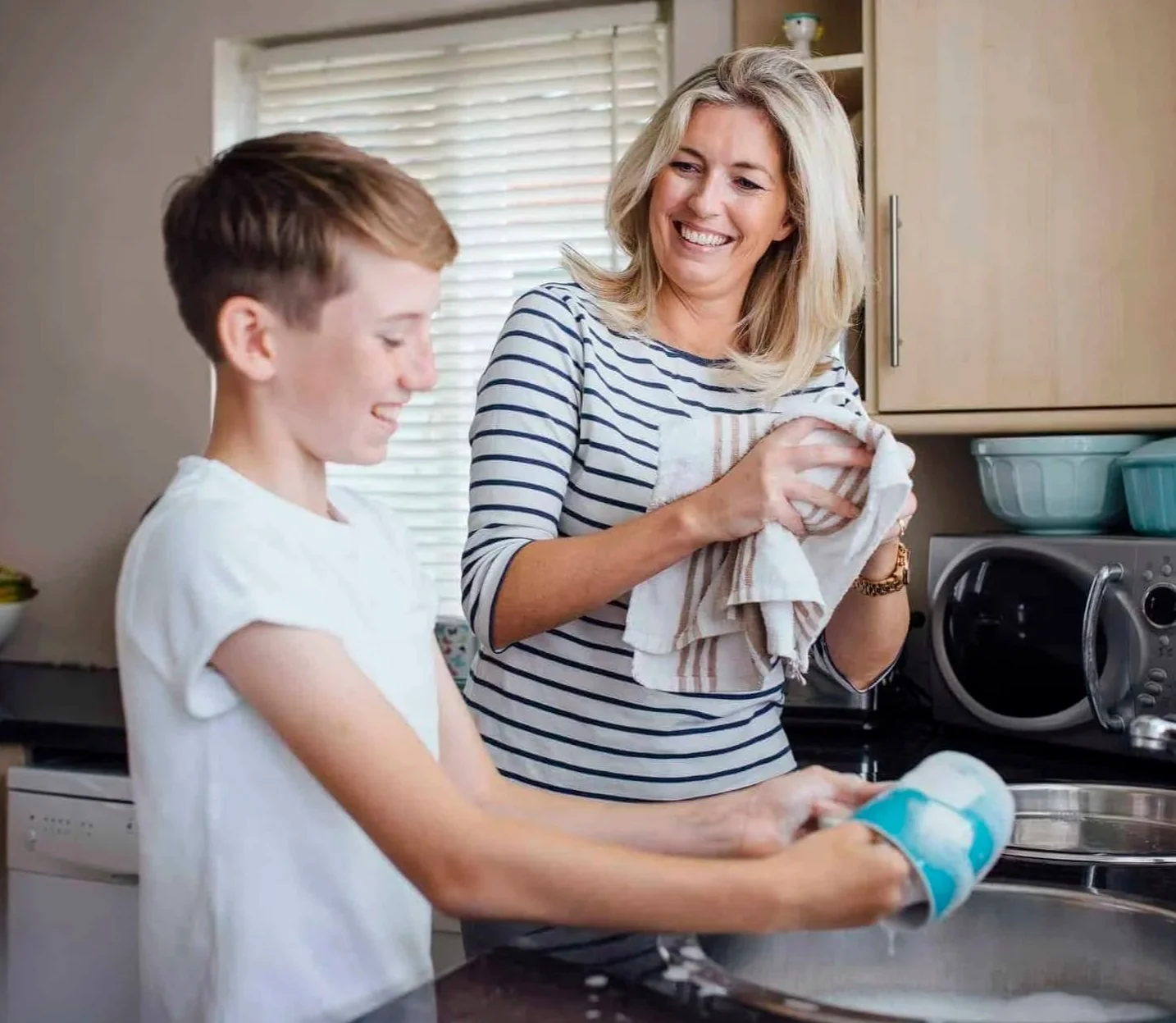
When your child is first learning about routines and chores, do them together. It’s a great way to have connection time. After a while, ask your child to do their routines and chores on their own.
-
Tasks get done: The same time every day means fewer arguments. Push through your stumbling blocks here. Your kids will try to resist you, but it’s important for them to keep to the schedule. To make it easier, start out by only scheduling a small task or chore, but keep it on the schedule. Then, build up from there. Keeping things by the clock has a lot of benefits:
Punctuality: Children learn to be on time for school and other events.
Tasks feel shorter: knowing when the task is finished helps children push through.
First-Then rule: Following the schedule teaches first-then: First the chore, then the fun thing.
Sequencing: The schedule teaches children about sequencing: 1, 2, 3, done.
Smoother transitions: The schedule makes it easier to complete transitions, such as stopping a fun activity and moving to a more boring activity.
Advance notice: The schedule gives your child automatic advance notice—they know when a fun activity will stop and can accept the transition more easily. That means fewer upsets!
Teamwork: building the schedule together with your child teaches collaborative problem solving. If the schedule is not working out, you can make changes with your child’s input. But don’t make changes too soon. You and your child have to get used to the schedule before it will make sense to change the schedule.
Conversation Starters For You and Your Child
OBJECTIVE #4
Schedule Routines & Chores
Build regular times for personal care, chores, and homework into your child’s day. When these tasks happen at predictable times, children know what to expect and are less likely to resist getting started. Over time, routines help everyday responsibilities feel more manageable and give your child more confidence to complete them independently.
-
⦿ Follow your morning and evening routine without being reminded.
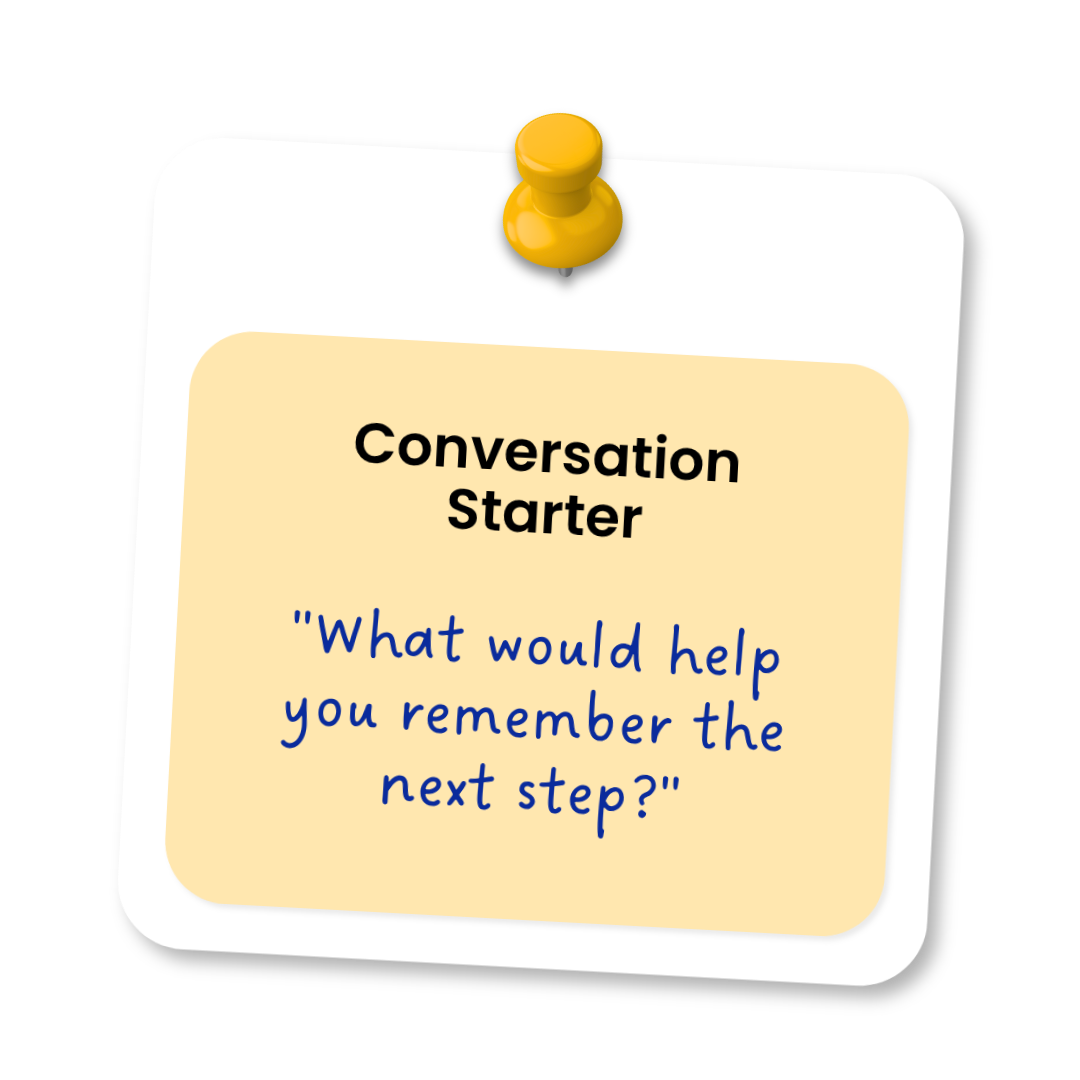
⦿ Check off each task on your chart when it’s done. The parent can do a mini-review by looking at the chart with you. They can ask you: What did you get done so far? What do you still have left to do?
⦿ Tell a parent what comes next on the schedule. Most kids don’t like it when their parents tell them what to do. Flip it around! Do a check-in with your mom or Dad, and show them everything that you’ve already done.
-
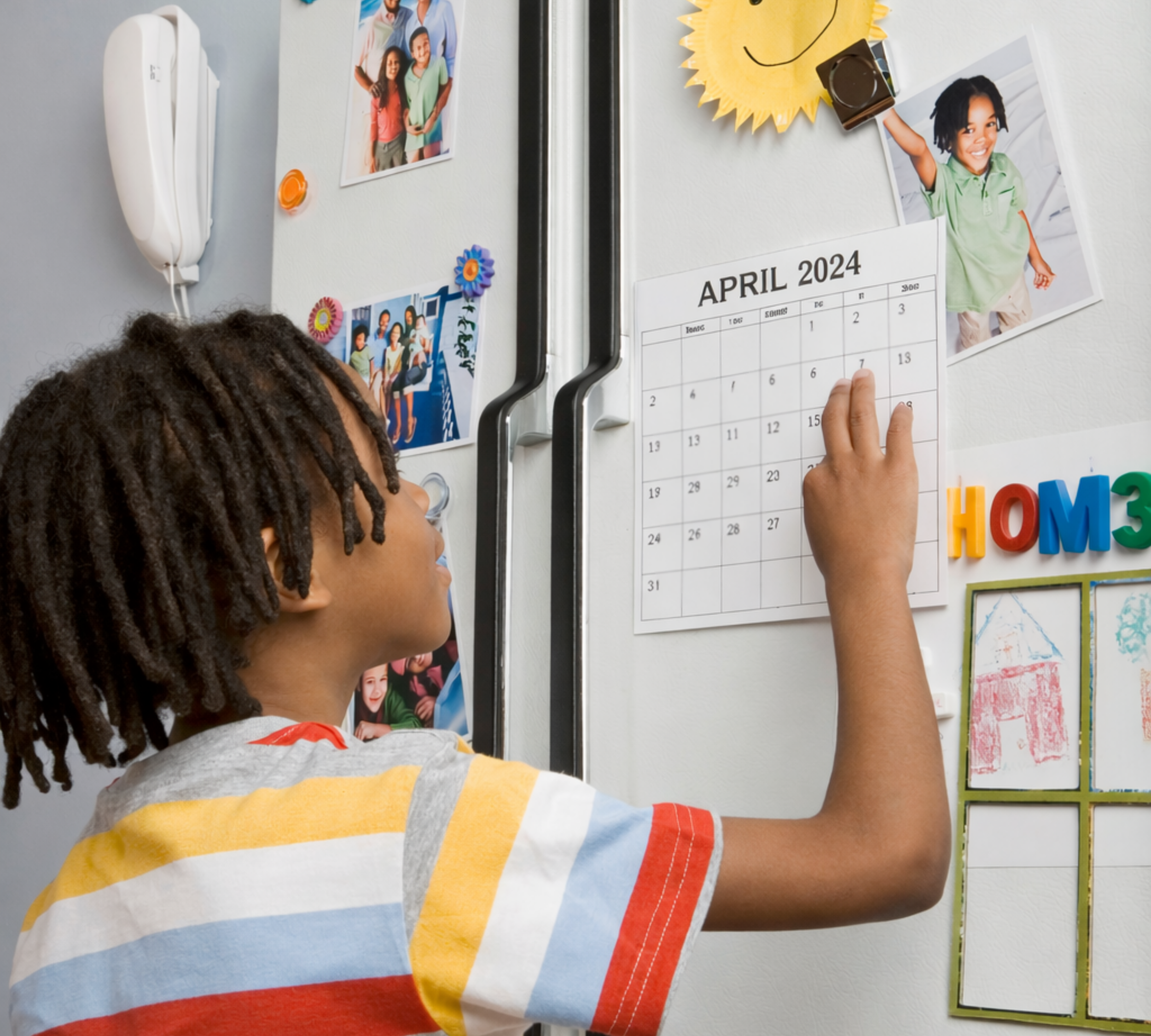
⦿ Make a simple visual chart of daily routines. A visual chart is easy to make using pictures you get online, or by taking photos of your own child doing their tasks and chores
⦿ Use the First-Then rule: Make sure that the pictures clearly show the sequence: First work, then fun.
⦿ Praise your child every time they complete a routine step.
Erik’s Tip ★
For objective #4
Routines work best when your child helps build them. When kids have a say in the order of things, they're more likely to follow through. Ask them what feels right in the morning, after school, or before bed. Sometimes, kids have the best solutions of all. You may be surprised by their answer. — Erik


-
⦿ Physical support: At first, stay close. Help your child lay out clothes or put toys away. That’s connection time right there. Then, over a couple of weeks, do a little less each day.
⦿ Verbal support: Stay nearby but use words only. Compliment what your child does before correcting mistakes. Help them notice what still needs to get done.
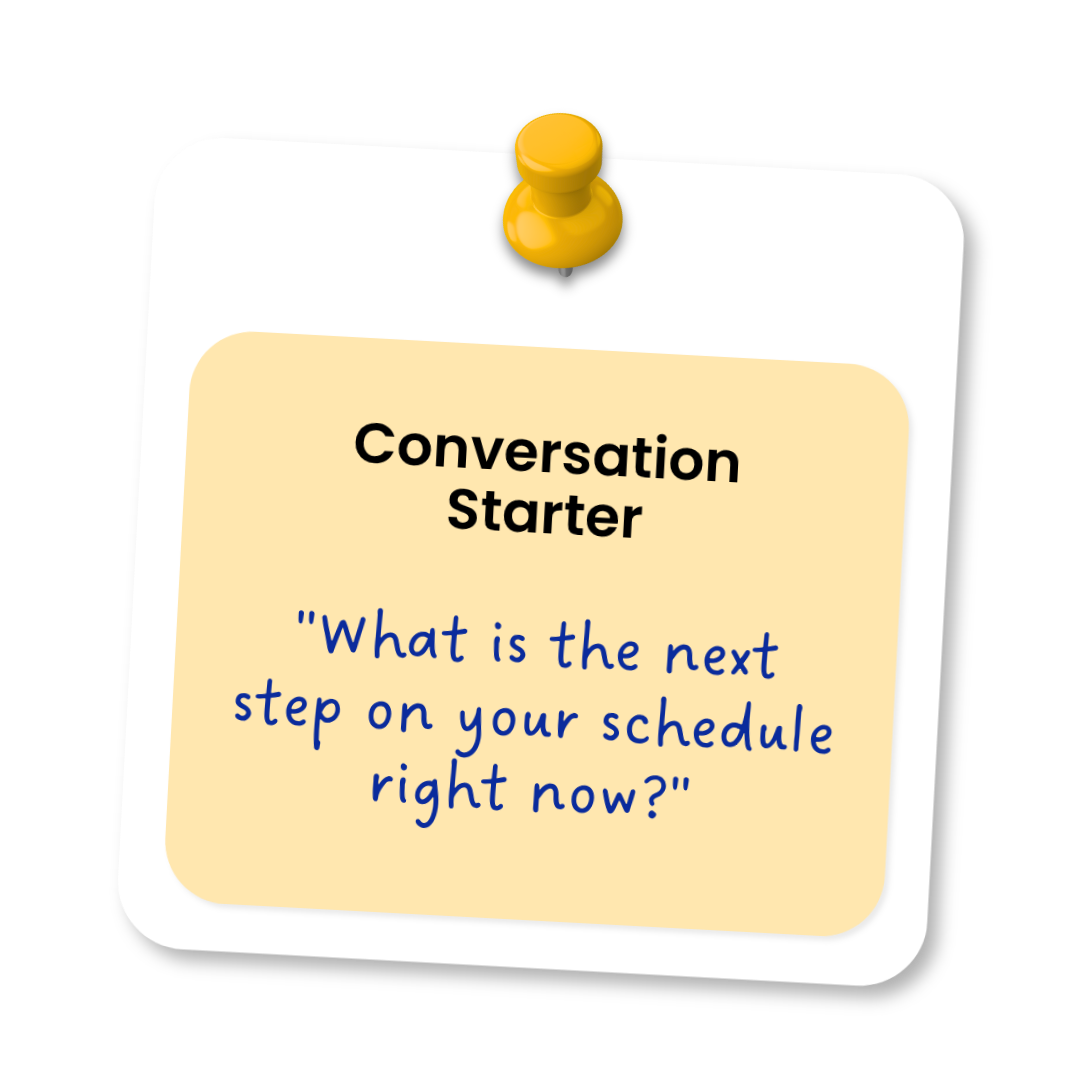
⦿ Ask, don’t tell: Instead of saying, “Go brush your teeth,” ask, “What comes next on your schedule?”
⦿ Check together: If they forget, look at the schedule together. Avoid pointing out what they forgot. Ask them to tell you what they have done so far. Then let them show you what they might have forgotten.
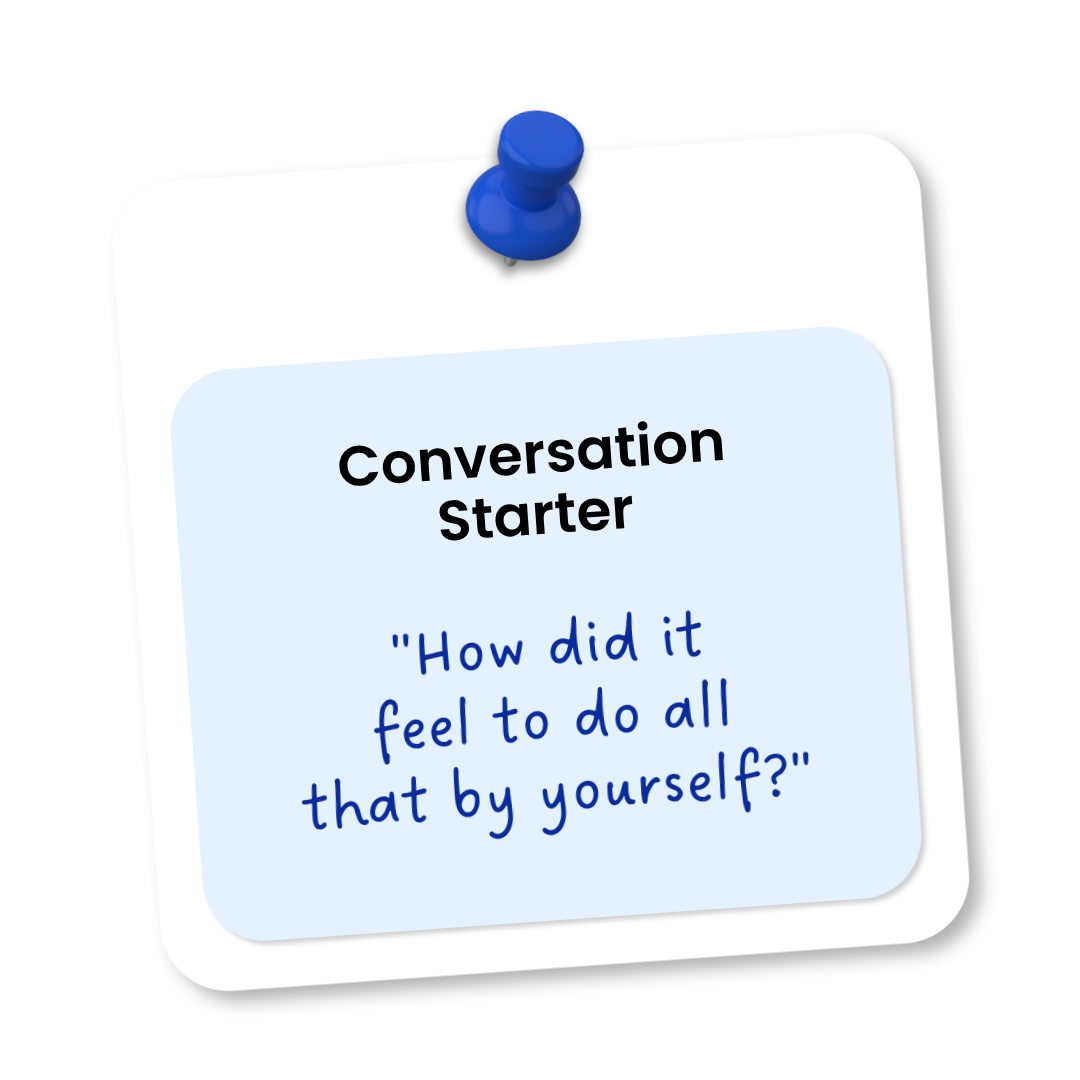
⦿ Step back: Once they can do it alone, leave the room. You can say, “I’ll be back in a minute to help you. You can go ahead and start without me.” Give feedback only once or twice per routine. Tell your child what they did successfully. Then ask if they made any mistakes they want to correct or what tasks they might have forgotten.
Conversation Starters For You and Your Child
OBJECTIVE #5
Following the Schedule Alone
Help your child learn to follow the schedule with less help from you. As routines become familiar, encourage them to check what comes next, move from one task to another, and complete responsibilities without constant reminders. The goal is to gradually step back so your child builds independence, confidence, and a sense of responsibility for their own day.
-
⦿ Try to say the schedule out loud without looking at it.
⦿ Move to the next task on your own when one task ends.
⦿ Ask a parent to check your work, not to do it for you.
-
⦿ Reduce your reminders by one each week.
⦿ Let your child make small mistakes — then problem-solve together.
⦿ Celebrate every time they check the schedule on their own.
Erik’s Tip ★
For objective #5
Independence is built one small step at a time. Objective #4 was about getting tasks done independently. Now you’re going to ask your child to follow the schedule independently.
Every time your son or daughter checks the schedule on their own or completes a task without a reminder, that is real progress. Celebrate each step. Your child is learning to manage their own life. — Erik


-
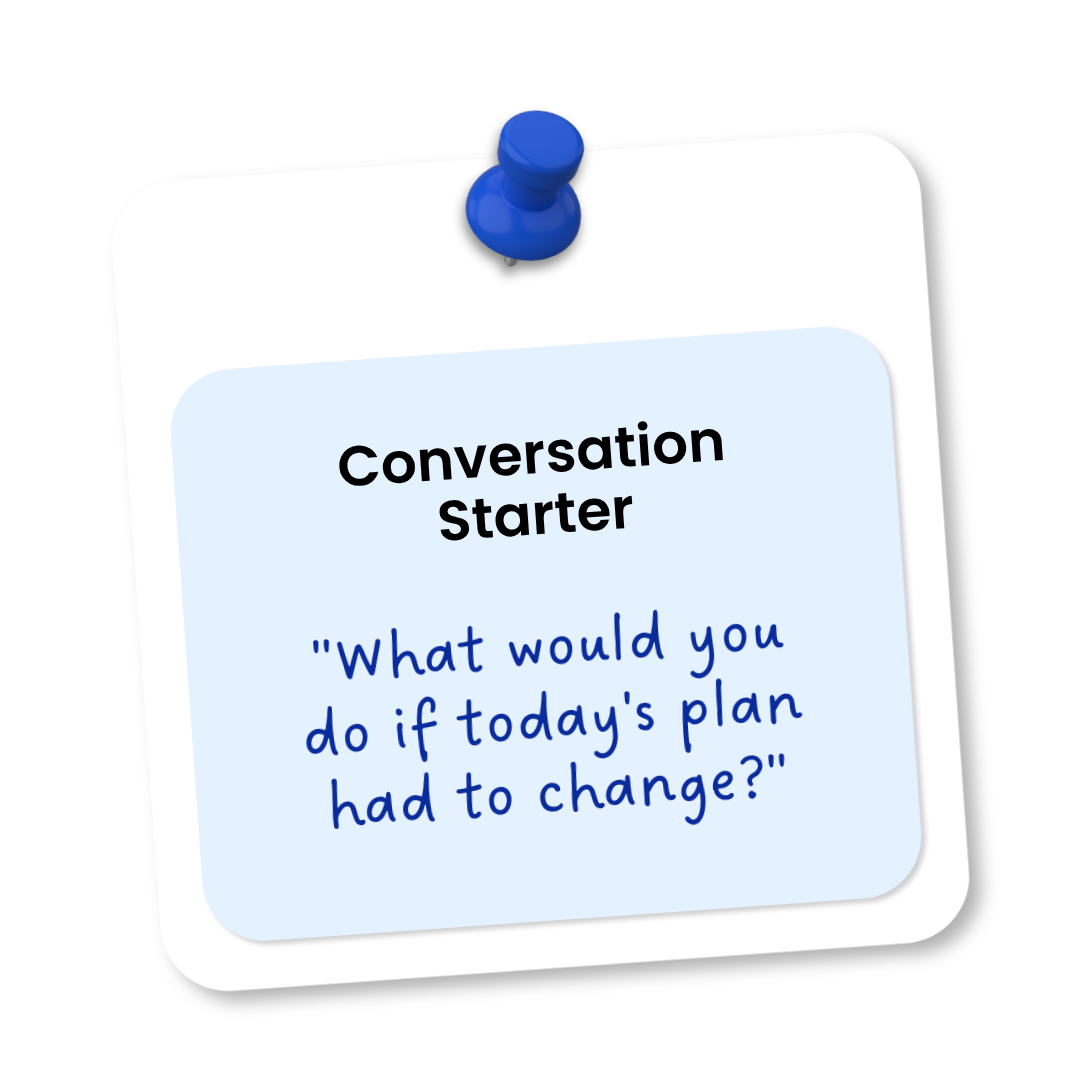
⦿ Mix up privileges and some tasks occasionally. You can add a new (short) task that was not expected. Or put a fun event into the schedule that was not expected. — this teaches flexibility.
⦿ When you make a change, tell your child about it in advance. Use the clock to show when the unexpected task or activity event will start. Or, choose to make it a surprise. See if your child can manage that level of stress. Use the clock to show them how long the new event will last.
⦿ Schedule 'no schedule' time: ask 'What do you want to do until bedtime?' — this gives your child practice with open, unplanned time.
-
⦿ Recite the schedule back to you from memory.
⦿ Complete routines without much supervision.⦿ Follow rules at home and outside the home.
⦿ Manage frustration without much adult help.
-
⦿ Try to keep schedules similar in both homes.
⦿ Children can learn two different schedules—it just takes more time.
⦿ Use a visual schedule in both homes. A visual schedule is helpful if the routines in each home are different.
Conversation Starters For You and Your Child
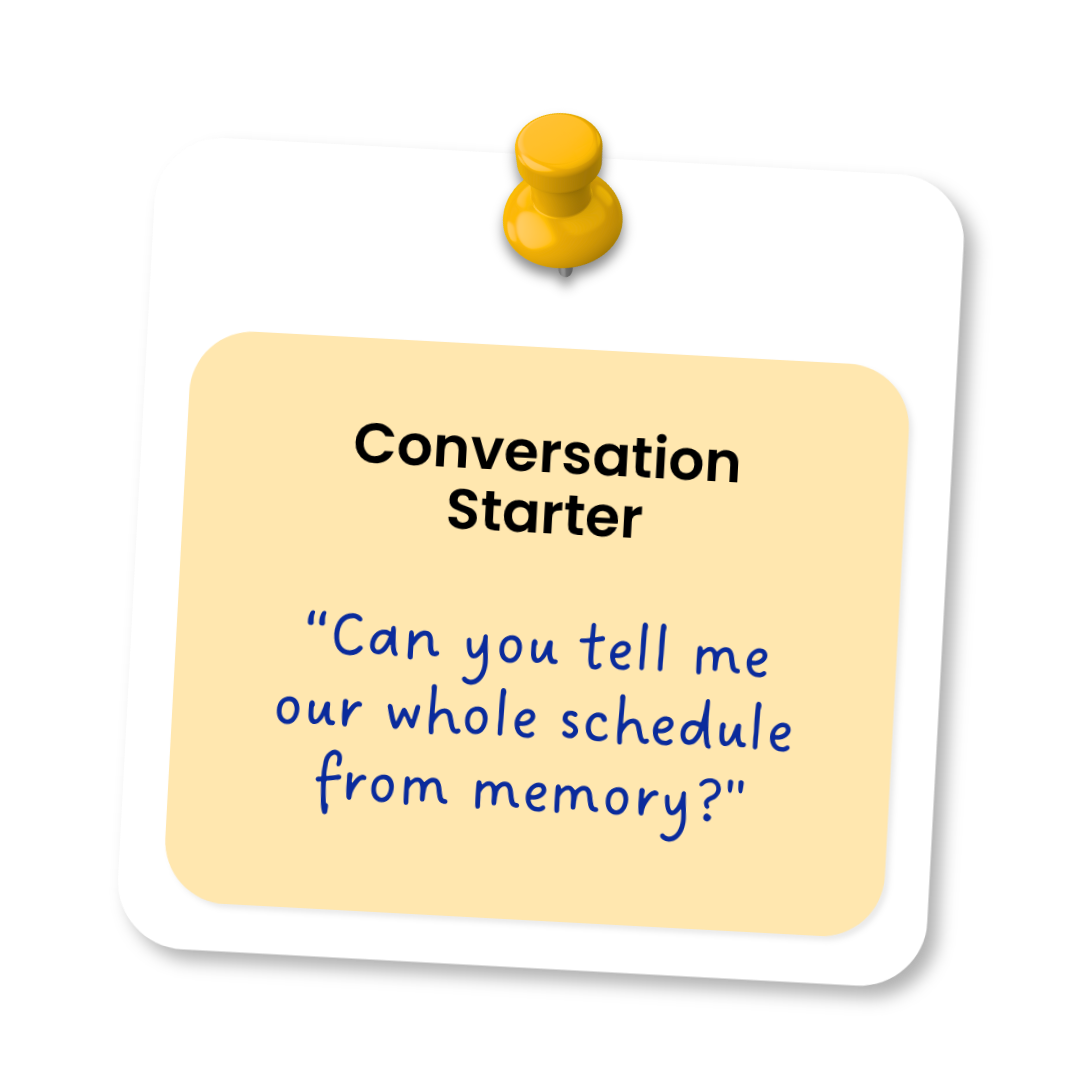
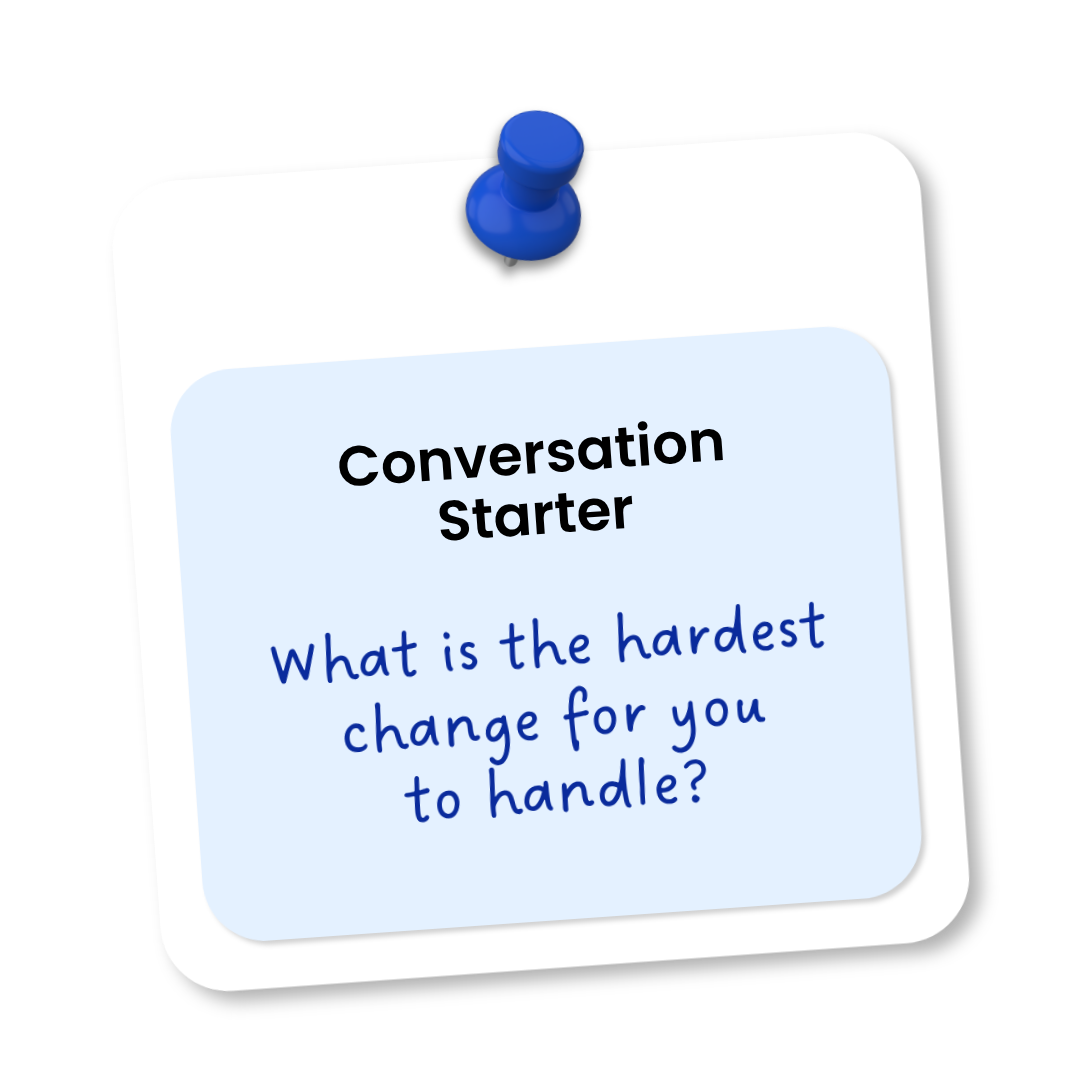
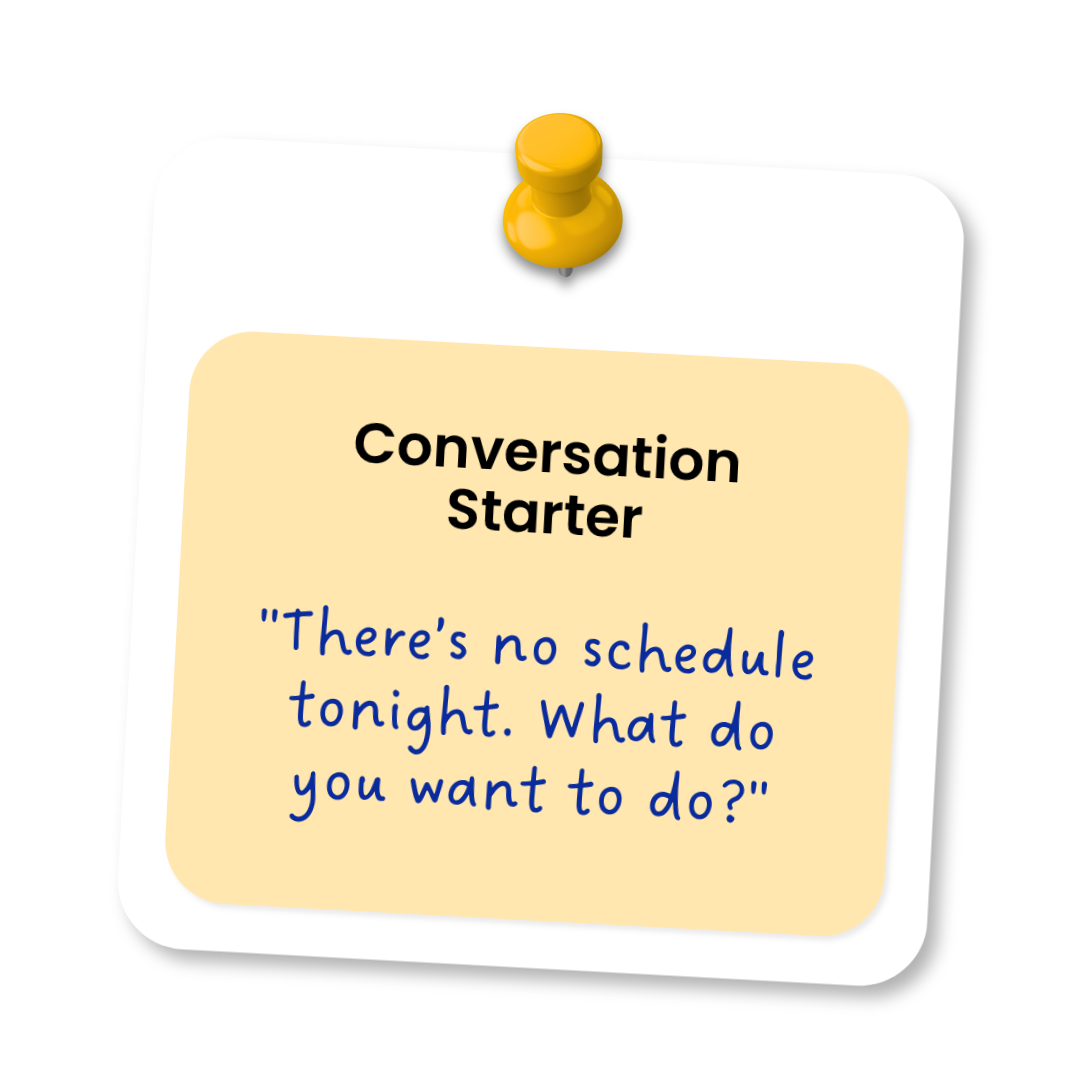
OBJECTIVE #6
Teach Your Child To Be Flexible
Once your child can follow the schedule confidently, begin teaching them how to handle changes and unexpected situations. Start with small, manageable changes so they can practice adjusting without becoming overwhelmed. Over time, your child will learn that plans can change and still feel safe, calm, and in control.
-
⦿ Say what the plan change is out loud: 'Today is different because...'
⦿ Try one 'no schedule' activity and enjoy the free time.
⦿ Practise calming down when something changes unexpectedly.
-
⦿ Introduce one small planned change per week.
⦿ Explain changes in advance whenever possible.
⦿ Praise your child when they handle a change calmly.
Erik’s Tip ★
For objective #6
Flexibility is a skill. Practice it by making small changes to the schedule. When your child learns that the schedule can change, they will feel less stressed when plans change. Schedules may change with the seasons, during summer vacation, or on school holidays. Make this part of your practice. — Erik



-
⦿ Only add extra activities after your child has fully mastered the daily schedule.
⦿ Start with one new extra-curricular activity at a time — do not overload the schedule.
⦿ If possible, treat the new activity like any other routine: same day, same time each week.
⦿ Schedule down time. An over-scheduled child will be as frustrated as an under-scheduled child. Do your best to allow for some down time each day or each week.
⦿ Talk to your child's teacher or therapist when adding new activities — they can offer useful advice.
Conversation Starters For You and Your Child
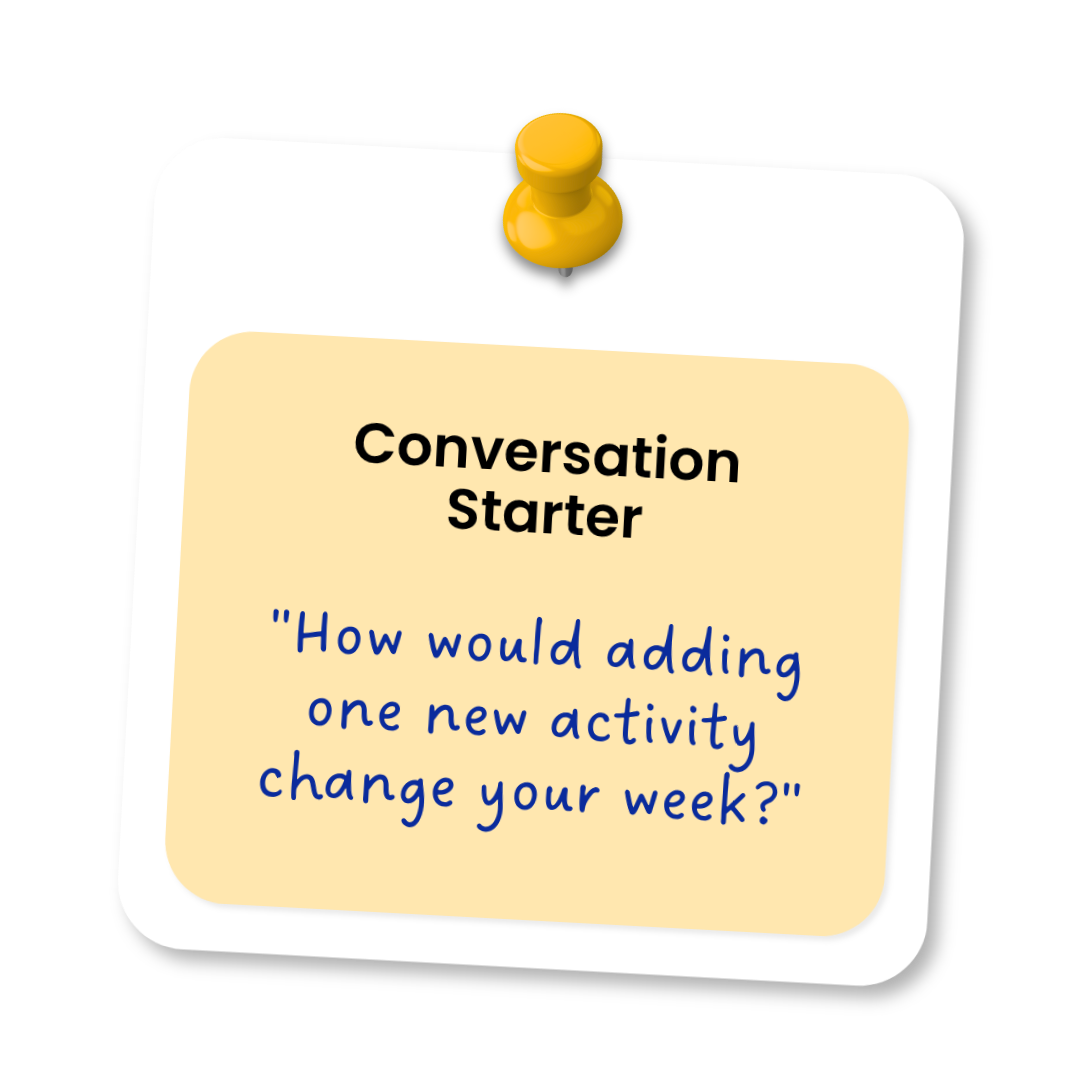
OBJECTIVE #7
Add Extracurricular Activities
Once your child reliably follows their daily schedule, you can add activities like music lessons, a sports team, or an art class to their routine. These activities add variety and help your child practice changes in the schedule.
-
⦿ Choose one activity you would like to try.
⦿ Go to the new activity at the same time each week.
⦿ Tell a parent how the new activity made you feel.
-
⦿ Wait until the daily schedule runs smoothly before adding more activities to the schedule.
⦿ Speak to your child's school or specialist before signing up.
⦿ Keep extra activities to a minimum — quality matters more than quantity.
Erik’s Tip ★
For objective #7
Extra activities are a bonus, not a must. Only add them when the basics are solid and your child is coping well with the daily routine. One at a time is enough. — Erik
Talk to an Expert
These suggestions work for most children. But every child is unique. Some tips may not fit your son or daughter. Talk with your child's physician first. A physician knows your child's needs best. Trust their professional guidance over anything general.
If things get hard, reach out for support. You do not have to do this alone. Help is always within reach.